When evaluating a home purchase, most buyers examine the roof, the kitchen, and the HVAC system. Very few think to look at what is happening right next to the electrical meter on the outside wall. Yet that small piece of equipment, a meter disconnect switch, plays one of the most important safety roles in the entire home. It is the one thing that allows power to be cut to the whole house quickly, from outside, without opening a single interior panel.
At Reliable Wire Electric, we help home buyers and homeowners across Missouri understand what this device is, why updated electrical codes now require it, and what the installation process actually involves. Whether you are buying a new build or upgrading an older property, this guide gives you everything you need to know.
What Is a Meter Disconnect Switch?
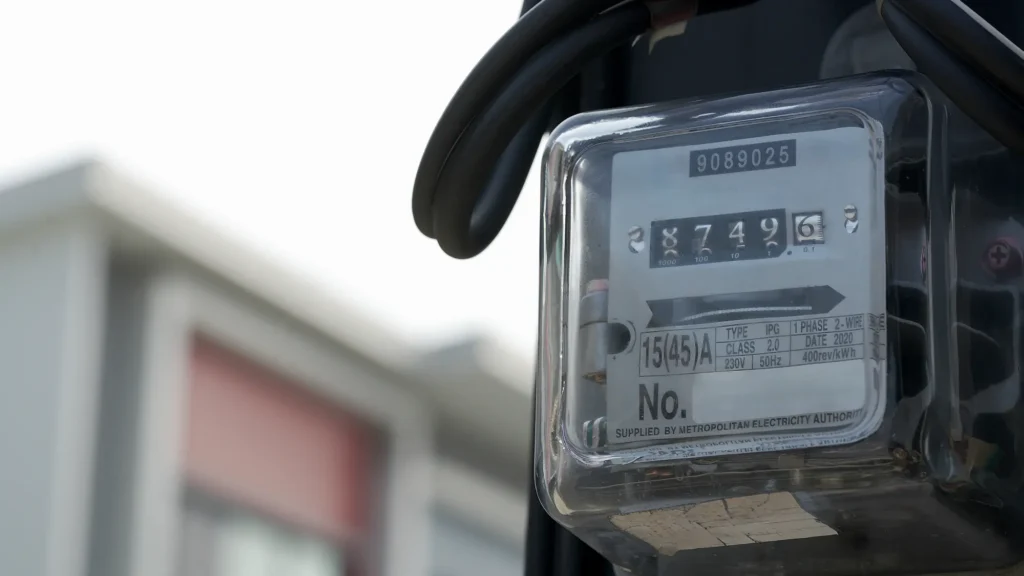
A meter disconnect switch is a device installed on the exterior of a home, typically mounted right next to the utility meter, that allows the entire electrical supply to be shut off before power reaches the main service panel inside. Think of it as the master power switch for the whole house, located outside where it is accessible in any situation.
Unlike the main breaker inside the panel, this switch does not require anyone to enter the building to operate it. That single difference is what makes it so valuable during fires, floods, emergencies, or electrical maintenance work.
The switch is installed between the utility meter and the main panel, intercepting power before it distributes into the home’s circuits. When it is switched off, all electricity stops flowing into the home immediately.
Why It Matters: Safety First
The core purpose of a meter disconnect switch is to give homeowners, electricians, and first responders a fast and safe way to cut all electrical power from outside the building. In the event of an electrical fire, a flash flood, storm damage, or any situation where power needs to be killed immediately, having this switch outside removes the need to enter a potentially dangerous or smoke-filled space to reach the main breaker.
For first responders specifically, this matters enormously. Firefighters and emergency personnel can cut power before entering a burning or flooded home, reducing the risk of electrocution during their work. A home with this feature is a safer home for everyone who might ever need to respond to or access it in an emergency.
Beyond emergencies, the switch also simplifies routine maintenance. Electricians can safely de-energize the main panel from outside before working on it, which removes the risk of arc flash and accidental contact with live service conductors.
What the 2020 NEC Requires
The 2020 edition of the National Electrical Code introduced a significant requirement that changed how residential electrical service is handled across the country. Under Section 230.85, new single-family and two-family homes, as well as service upgrades, are now required to include an emergency disconnect on the exterior of the building. This requirement was driven directly by first responder safety concerns.
The code specifies that this exterior disconnect must be accessible, clearly labeled, and capable of interrupting the full load of the service. It must also be field-marked on its exterior to identify it properly so it is not confused with the interior service equipment.
Many older homes were built before this requirement existed and simply do not have this protection. For buyers evaluating an older property, the absence of a meter disconnect switch is worth noting and factoring into any upgrade or renovation budget.
Types of Exterior Disconnect Configurations
There is not just one way to fulfill the exterior disconnect requirement. Understanding the options helps buyers evaluate what a home already has or what a licensed electrician might recommend installing.
| Configuration Type | Description | Common Use Case |
|---|---|---|
| Meter main combo unit | Meter socket and disconnect breaker in one enclosure | Most common in new construction |
| Standalone disconnect switch | Separate enclosure mounted adjacent to the meter | Common retrofit for older homes |
| Outdoor main breaker panel | Full panel with main breaker installed outside | Homes with panel near the meter location |
| Meter socket with integrated disconnect | All-in-one socket with built-in shutoff handle | Modern single-family residential upgrades |
Each of these options achieves the same goal: one accessible switch outside the home that cuts all power. The right choice depends on the existing electrical system, the utility company’s requirements, and the home’s layout.
The Installation Process
Installing a meter disconnect switch is not a simple DIY project. It involves the main power supply, coordination with the utility company, permits, and inspection. Here is what the process looks like when handled by a licensed electrician.
Electrical system evaluation
The first step is a thorough assessment of the existing meter location, service entry point, and panel configuration. The electrician determines the best placement for the new disconnect and identifies whether any wiring upgrades are needed to support it.
Permits and utility coordination
A permit is required before work begins. Because the installation is in the service entrance, the utility company must temporarily disconnect power at the meter for the work to be completed safely. A licensed electrician handles all communication with the utility, schedules the outage window, and ensures the plan meets all local code requirements.
Physical installation
With power safely off, the electrician mounts the disconnect enclosure, connects service entrance conductors, installs proper grounding and bonding, and secures all connections. The unit must be weatherproof, properly rated for the service amperage, and correctly labeled per code.
Inspection and approval
The installation must pass inspection by the local authority before power is restored. Inspectors verify correct wiring, proper grounding, accessibility of the switch, and code-compliant labeling. Only after approval does the utility reconnect service.
Testing
Once power is restored, the electrician tests the switch to confirm it fully interrupts power when operated and that all connections remain secure under load.
What It Means for Home Buyers
For anyone purchasing a home, the presence or absence of a meter disconnect switch tells you something meaningful about the property’s electrical system.
A home with a properly installed, code-compliant exterior disconnect has been updated to modern safety standards. It signals that the electrical service entrance was either newly installed or upgraded by a licensed professional who followed current requirements. It also means that future electrical work on the property will be easier, safer, and less disruptive.
A home without one, particularly an older property, is not necessarily unsafe, but it does mean the home predates the current standard. Depending on the age of the service and the condition of the rest of the system, adding a disconnect may be required at the time of any future service upgrade or panel replacement.
Home buyers who prioritize safety, ease of maintenance, and code compliance should treat the presence of this feature as a positive indicator of how the property has been maintained and upgraded over time.
Cost Factors
The cost of adding a meter disconnect switch to an existing home varies based on several factors. The condition and configuration of the existing service entrance plays the biggest role. If the panel and meter are in good condition and accessible, installation is relatively straightforward. If wiring needs to be extended, upgraded, or rerouted, costs increase accordingly. Permit and inspection fees, utility coordination fees, and the specific type of disconnect hardware chosen all contribute to the final price.
Reliable Wire Electric provides transparent, itemized estimates before any work begins so that homeowners and buyers can make fully informed decisions without unexpected costs.
Why Reliable Wire Electric
Our licensed electricians have extensive experience installing and upgrading electrical service equipment throughout Missouri. We understand the NEC requirements, local utility coordination processes, and what it takes to get an installation permitted and approved correctly the first time. We handle every step from evaluation to final inspection so you do not have to manage multiple parties or navigate permit processes on your own.
If you are buying a home that needs a disconnect installed, or if you want to evaluate what an existing setup looks like, Reliable Wire Electric is ready to help.
FAQs
1. What is a meter disconnect switch?
It’s a switch that safely disconnects electricity from the main meter, allowing maintenance or emergency shutdowns.
2. Do all homes need one?
Most modern homes require a meter disconnect switch per code, especially for safety and utility access.
3. Where is it located?
It’s usually installed next to the main electrical meter, often on the exterior of the home for easy access.
4. Can I turn it off myself?
Yes, homeowners can operate it for safety or maintenance, but electricians handle complex issues or repairs.
5. Is it inspected?
Yes, meter disconnect switches must pass electrical inspections to ensure compliance with local codes and safety standards.