Many homeowners only discover electrical problems during a home inspection when Electrical code correction suddenly becomes necessary. It often happens during a home sale, a renovation, or after an inspector flags outdated wiring or unsafe panels. Electrical systems that were acceptable decades ago may no longer meet today’s safety standards.
Modern electrical codes exist to reduce fire risks, prevent shock hazards, and ensure homes can safely handle today’s power demands. When violations appear, correcting them quickly protects your property, your family, and even the success of a real estate transaction. Understanding what code corrections involve and when they’re required helps homeowners avoid costly surprises and keep their electrical systems safe and compliant.
What Is Electrical Code Correction?
Electrical code correction refers to updating, repairing, or modifying an electrical system so it meets the current standards set by the National Electrical Code (NEC), also known as NFPA 70. These safety guidelines regulate how electrical systems should be installed and maintained to reduce the risk of electrical fires, shocks, and system failures.
The NEC is updated every three years to address new technologies, safety research, and changes in how electricity is used in homes. Because of these updates, houses built even 15–20 years ago may contain components that no longer meet modern requirements.
In addition to the NEC, local municipalities may adopt their own amendments. In Missouri and the St. Louis area, local jurisdictions sometimes require additional inspections or standards before approving electrical work.
Most Common Electrical Code Violations in Homes
Improper or Missing Grounding
Grounding serves as the ultimate safety net for your home’s electrical system by providing a dedicated, low-resistance path for excess electricity to travel directly into the earth. Without this proper grounding, any electrical fault, such as a loose wire touching a metal casing, could turn a simple appliance into a source of dangerous shocks or ignite a fire. Modern standards require grounded connections to ensure that stray current has somewhere to go other than through a person.
Overloaded Circuits or Double-Tapped Breakers
A common DIY mistake is the “double-tap,” where multiple wires are connected to a single circuit breaker designed for only one connection. This creates a poor connection that can cause circuits to overheat, eventually damaging the wiring and significantly increasing the risk of an electrical fire. Beyond the physical connection, simply asking a single circuit to carry the load of too many high-wattage appliances can lead to persistent tripping and heat buildup.
Outdated Aluminum or Knob-and-Tube Wiring
If your home was built before the 1970s, it may still harbor aging technology like aluminum wiring or knob-and-tube systems. Aluminum wiring is notorious for loosening over time due to expansion and contraction, which creates fire hazards at connection points. Meanwhile, knob-and-tube wiring is an older method that often lacks the modern insulation and grounding required to safely handle today’s electrical demands.
Missing GFCI or AFCI Protection
Code requirements have evolved to prioritize specialized protection in high-risk areas of the home. Ground Fault Circuit Interrupters (GFCIs) are essential for protecting against shocks near water sources like kitchens and bathrooms, while Arc Fault Circuit Interrupters (AFCIs) are designed to detect dangerous electrical arcs that can occur behind walls and cause fires. Missing either of these modern safeguards is a major red flag during an inspection.
Exposed or Unprotected Wiring
To maintain safety, all wires should be properly enclosed and protected inside walls or within specialized conduits. When wiring is left exposed in accessible areas, it increases the risk of accidental contact, physical damage, or wear and tear that can lead to a short circuit. Keeping cables shielded ensures the integrity of the insulation and prevents hazardous exposure to the live copper within.
Undersized or Unlabeled Electrical Panels
As our homes fill up with modern appliances, older electrical panels may not be equipped to handle the increased power loads. An undersized panel can become a bottleneck for your home’s energy needs, while missing labels creates a serious safety issue by making it harder to shut off specific circuits quickly during an emergency. Clear labeling and adequate capacity are fundamental to a code-compliant electrical system.
Dangerous vs. Non-Urgent Issues
Fix Immediately
-
Missing grounding near sinks or wet areas
-
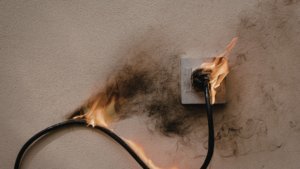
Burn marks around outlets or panels
-
Exposed wiring in living areas
-
Frequently tripping breakers
Usually Non-Urgent
-
Missing light switch at the room entry
-
Minor labeling issues on panels
-
Cosmetic outlet or cover damage
Understanding the difference helps homeowners prioritize safety-critical repairs.
What Triggers the Need for an Electrical Code Upgrade?
There are several situations when homeowners suddenly need electrical updates.
Home Inspections Before Buying or Selling
Real estate inspections frequently uncover outdated wiring, unsafe panels, or missing safety devices that must be corrected before closing.
Permits for Remodeling Projects
When you pull a permit for a kitchen renovation, basement finish, or addition, inspectors may require electrical updates to bring parts of the home up to current standards.
Insurance Company Requirements
Some insurers refuse coverage if a home has outdated electrical systems, such as knob-and-tube wiring or overloaded panels.
Routine Electrical Service
Electricians often discover hidden violations while performing maintenance or installing new fixtures.
Municipal or Fire Inspections
Commercial properties and rental units may face regular inspections that require upgrades for compliance.
The Electric Code Correction Process Step by Step
Correcting electrical violations is a systematic process that begins with an initial inspection by a licensed professional to identify specific hazards. Once the evaluation is complete, the homeowner receives a written estimate that prioritizes urgent safety fixes before moving on to less critical updates. For major structural changes, a permit application is filed with local authorities to ensure the project is tracked and legal.
The professional repairs are then carried out by a qualified electrician to bring the system up to modern standards, followed by a formal re-inspection where municipal inspectors verify that the work aligns with the National Electrical Code (NEC). Finally, the process concludes with documentation and approval, giving the homeowner official peace of mind that their property is safe and compliant.
How Much Does Electrical Codes Correction Cost?
Costs vary widely depending on the severity of the issue and the age of the home.
Minor Corrections
Simple fixes such as replacing outlets with GFCI protection are typically quick and inexpensive.
Moderate Repairs
Panel labeling, installing additional breakers, or upgrading certain outlets fall into a mid-range cost category.
Major Electrical Upgrades
Full rewiring, panel replacements, or grounding system installations require a larger investment.
Although Electrical code correction can sometimes seem expensive, it is far less costly than the consequences of electrical fires, failed inspections, or delayed home sales.
Can You Fix Electrical Code Violations Yourself?
Some very small tasks, like replacing a broken outlet cover, are safe for homeowners to handle. However, anything involving wiring, grounding, breaker panels, or circuit modifications should always be performed by a licensed electrician.
Electrical systems are complex, and improper repairs can create serious safety hazards. Additionally, unpermitted DIY work may create legal or financial issues when selling a home. Missouri regulations require licensed professionals for most electrical installations and upgrades.
Why Choose a Licensed Electrician for Code Corrections
Working with a licensed electrician ensures the job is done correctly and safely. Professionals understand both the National Electrical Code and the specific regulations used in Missouri and the St. Louis area. They can also manage permits, coordinate inspections, and ensure repairs pass final approval.
Companies like Reliable Wire Electric bring years of experience diagnosing violations, upgrading panels, and ensuring homes meet modern safety standards. Whether you’re preparing for a home sale or addressing inspection findings, expert help makes the process smoother and safer.
Final Thoughts
Electrical problems often stay hidden until inspections uncover them at the worst possible time. Addressing violations early protects your home, prevents fire hazards, and ensures smooth real estate transactions. Professional Electrical code correction keeps your system compliant with modern safety standards while giving you peace of mind. Schedule a Free Electrical Inspection Today.
FAQs
1. How do I know if my home has electrical code violations?
Common warning signs include frequently tripping breakers, warm outlets, flickering lights, outdated wiring, or a home inspection report listing electrical concerns. A licensed electrician can perform a full inspection to identify safety and compliance issues.
2. Are older homes more likely to have electrical issues?
Yes. Homes built decades ago often have outdated wiring systems, limited electrical capacity, and missing safety protections like GFCI or AFCI outlets. Modern appliances and devices place greater demand on these older systems.
3. Can electrical violations delay selling a home?
Yes. During a real estate transaction, inspectors may flag safety hazards or outdated components. Buyers may request repairs, credits, or upgrades before closing, which can delay or complicate the sale process.
4. What electrical problems are considered immediate safety hazards?
Exposed wiring, missing grounding near water sources, burning smells from outlets, frequent breaker trips, or damaged panels should be addressed immediately because they significantly increase the risk of shock or electrical fires.
5. Should I upgrade my electrical panel in an older home?
If your panel is outdated, undersized, or struggles to handle modern appliances, upgrading can improve safety and reliability. A larger panel also provides capacity for future additions like EV chargers or home renovations.