Something has gone wrong in your home. A breaker keeps tripping. An outlet stopped working. The lights in one room flicker for no obvious reason. You have ruled out the easy fixes and arrived at the conclusion that a professional needs to take a look. Electrical service calls are one of the most common ways homeowners interact with the electrical trade — and yet most people go into the experience without a clear idea of what it actually involves, how the pricing works, or what separates a thorough electrician from one just going through the motions.
Understanding how these visits are structured, how electricians charge for their time, and how you can prepare your home and your questions before they arrive will help you get better results, avoid unnecessary costs, and make smarter decisions about your home’s electrical system. This guide walks you through everything worth knowing.
What Electrical Service Calls Actually Cover
Electrical service calls cover an enormous range of work, from quick outlet replacements and breaker swaps to full diagnostic investigations of mysterious intermittent faults that have been frustrating a homeowner for months. What distinguishes them from a larger installation project is their reactive nature; something needs attention, and you need a trained professional to figure out what that something is and fix it. There is no pre-planned scope, no blueprint on the table. The electrician is working from symptoms, experience, and diagnostic equipment.
Common reasons to schedule a visit include tripping breakers that reset but keep tripping again, outlets that produce sparks or burn smells, switches that no longer control the fixtures they once did, GFCI outlets that will not reset, ceiling fans that hum or run erratically, and whole-room or whole-floor power losses that are not explained by a simple tripped breaker. Each of these symptoms can have multiple possible causes, which is exactly why professional diagnosis matters far more than guesswork.
How Electricians Typically Structure Their Fees
Pricing for a residential electrician visit varies considerably by region and contractor, but the structure tends to follow one of two models. The first is a flat service call fee — a fixed charge just to show up and diagnose the problem, which then rolls into a separate labor and materials charge if repairs are needed. The second is a straight hourly rate with a minimum number of hours billed, typically one or two hours, regardless of how quickly the work is completed.
In most parts of the United States, a diagnostic or trip fee ranges from $75 to $200, with hourly labor running between $80 and $150 on top of that. Emergency calls, those scheduled outside of normal business hours, on weekends, or on holidays, almost always carry a premium rate, sometimes 1.5 to 2 times the standard hourly charge. Always ask for a clear breakdown of how the contractor charges before agreeing to have them come out, so you are not surprised when the invoice arrives.
Some contractors offer flat-rate pricing for specific repairs, such as replacing an outlet, installing a GFCI, or swapping a breaker, which can make budgeting easier when the problem is already identified. Flat-rate pricing works in the homeowner’s favor when a job takes longer than expected, but it can feel expensive for simple fixes that an electrician resolves in twenty minutes. Neither model is inherently better; what matters most is that the pricing is communicated clearly before any work begins.
Preparing for the Visit: How to Help Your Electrician Help You
The more useful information you can provide when the electrician arrives, the faster and more efficiently they can work. Before they knock on the door, take a few minutes to document what you have observed. Note when the problem first appeared, whether it is constant or intermittent, what else was happening when it occurred — such as running a specific appliance or during a storm — and whether anything changed in the home around the time the issue started, like a recent renovation, a new appliance, or a power surge event.
Make sure the electrician has clear access to your main electrical panel, all affected outlets or switches, and your attic or basement if the wiring in those spaces may be relevant. If your home is older than 40 years, let the electrician know upfront that homes with aluminum wiring, knob-and-tube systems, or Federal Pacific or Zinsco panels may require additional inspection time, and knowing this ahead of the visit allows them to plan accordingly and arrive with the right tools.
What a Good Electrician Does When They Arrive
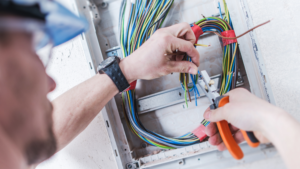
A thorough electrician does not just swap parts and leave. When they arrive, they will ask you to walk them through the problem as you understand it, then begin a systematic diagnostic process. For a tripping breaker, for example, they will check the load on the circuit, inspect the breaker itself, look for signs of overheating or loose connections at the panel, and trace the circuit if necessary to rule out a fault somewhere in the wiring. They are not guessing they are methodically eliminating possibilities until they identify the root cause.
Once the cause is identified, a good electrician will explain what they found in plain language, tell you what needs to be done to fix it, and give you a realistic estimate of the cost before they start any repair work. If they discover something beyond the original scope of the visit, say, a panel that shows signs of overheating that was not the reason you called, they should point it out, explain its significance, and let you decide how to proceed rather than simply adding work to the invoice without your knowledge or consent.
Red Flags to Watch for When Scheduling Electrical Service Calls
Not every contractor who answers a call for electrical work is equally qualified or trustworthy. Any contractor who suggests skipping a permit for work that clearly requires one, such as panel replacements, new circuits, or service entrance work, is telling you something important about how they operate. Unpermitted electrical work creates liability for you as a homeowner and can cause serious problems with insurance claims, home sales, and future inspections.
Be wary of contractors who diagnose a problem before they have actually looked at anything, recommend wholesale rewiring of your home for problems that sound routine, or pressure you into making large repair decisions on the spot without time to think or get a second opinion. A professional who is confident in their diagnosis will give you a written estimate, explain their reasoning clearly, and respect your right to take time to decide. High-pressure tactics in any home services trade are a signal to step back and reconsider.
Getting the Most Value from Every Visit
Once a licensed electrician is in your home, their time is worth using wisely. If you have been putting off asking about a second issue, a dimmer switch that has always felt warm, an outdoor outlet you have never quite trusted, raise those questions while the professional is already on site. Many electricians are happy to take a quick look at additional concerns during the same visit, especially if the primary job has wrapped up and there is time remaining on a minimum billing window. This approach often costs far less than scheduling a separate trip.
It is also worth asking your electrician directly whether anything they observed during the visit suggests future maintenance or upgrades worth budgeting for. A good technician thinks beyond the immediate repair and can give you an honest picture of your home’s electrical health, whether your panel has capacity for the EV charger you are planning, whether your wiring age suggests it is time for a full inspection, or whether adding a whole-home surge protector makes sense given your current setup.
Routine electrical service calls are not just about fixing what is broken today. They are an opportunity to build a relationship with a trusted electrician who knows your home, understands its history, and can advise you honestly as it evolves. Homeowners who treat these visits as a professional consultation, not just a repair transaction, consistently get better outcomes, safer homes, and fewer expensive surprises down the road.
Frequently Asked Questions
Q1: How much does an electrician charge just to come out?
Most electricians charge a trip or diagnostic fee between $75 and $200, separate from labor. Always confirm the fee structure before scheduling so there are no billing surprises.
Q2: What should I do before the electrician arrives?
Document when the issue started, what triggers it, and any recent changes in the home. Clear access to your panel and all affected areas to save time and reduce labor costs.
Q3: Can an electrician fix everything in one visit?
Simple repairs usually wrap up in one visit. Complex faults or jobs requiring permits and inspections may need multiple trips. A good electrician will tell you upfront what to expect.
Q4: Is it worth getting a second opinion on a large electrical repair estimate?
Absolutely. For any repair exceeding a few hundred dollars, a second quote is smart. It protects you from overcharging and helps verify the diagnosis is accurate before committing.
Q5: Do emergency after-hours calls cost more?
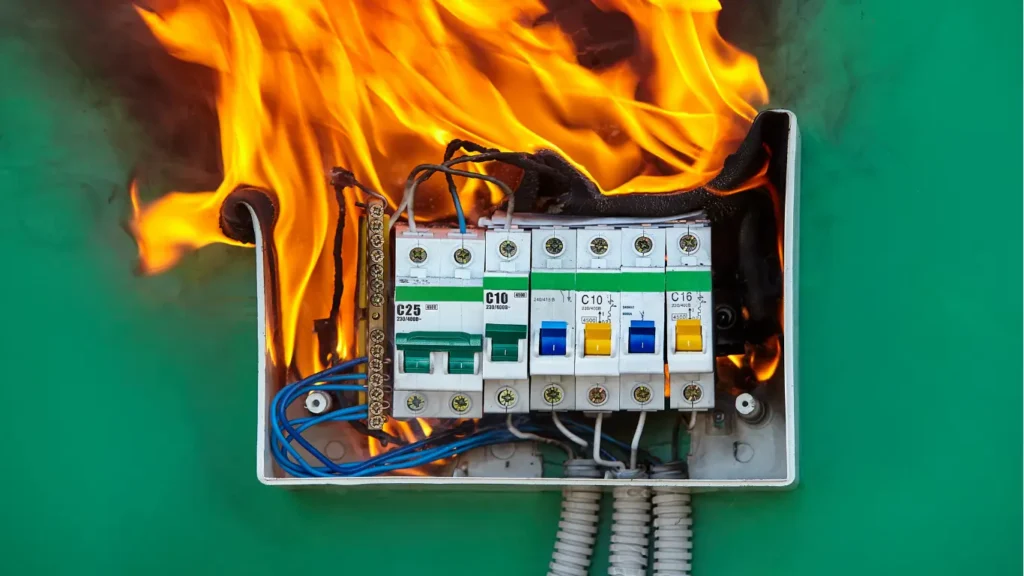
Yes. After-hours, weekend, and holiday calls typically carry a premium of 1.5–2x the standard rate. Reserve emergency calls for genuine hazards like burning smells or sparking panels.