
If you own a home built between the 1950s and 1990s, there’s a chance you have a ticking time bomb in your electrical panel. Federal Pacific Electric (FPE) panels, once installed in millions of American homes, are now considered a serious fire hazard. Understanding whether you have one of these panels and what to do about it could be the difference between a safe home and a devastating fire.
What is a Federal Pacific Panel, and Why Does It Matter Today
A Federal Pacific panel replacement is a crucial step for homeowners with outdated electrical systems. The Federal Pacific panel, manufactured by Federal Pacific Electric, was once a dominant force in the residential electrical market. During its production years from the 1950s through 1990, an estimated 28 million homes across the United States were equipped with these panels.
However, testing has revealed a significant flaw with Federal Pacific’s signature Stab-Lok circuit breakers. Unlike modern breakers that reliably trip during electrical overloads, FPE breakers often fail to disconnect power when needed. This malfunction means that when your electrical system experiences excess current, whether from a faulty appliance, damaged wiring, or an overloaded circuit, the breaker may not trip. This allows wires to overheat, which could lead to potential fires.
As a result, Federal Pacific ceased operations in the 1980s after investigations into product safety and business practices. Unfortunately, many homes still contain these dangerous panels. If your home still uses a Federal Pacific panel, it’s essential to consider a Federal Pacific panel replacement to protect your home and family from the risk of electrical hazards.
Understanding the Dangers of Federal Pacific Panels
The safety concerns surrounding FPE panels aren’t based on speculation; they’re backed by decades of research and real-world incidents.
Stab-Lok Breakers Fail to Trip During Overloads
According to testing cited by Angi and other home safety experts, Stab-Lok breakers fail to trip up to 60% of the time during overload conditions. Even more alarming, some studies have found failure rates as high as 80% in certain situations. When a breaker fails to trip, electrical current continues flowing through wires that weren’t designed to handle that load, causing them to heat up rapidly.
Fire Risk Statistics and Safety Concerns
The U.S. Consumer Product Safety Commission (CPSC) investigated FPE panels and found evidence of significant safety defects. Independent testing revealed that these panels were responsible for thousands of fires over the decades. While exact numbers are difficult to pin down, many electrical fires go uninvestigated for their root cause. Experts estimate that FPE panels have contributed to countless property losses and injuries.
The risk doesn’t diminish with time. In fact, as these panels age, the internal components deteriorate, making breaker failure even more likely. Corrosion, wear, and the breakdown of internal connections all increase the probability that your panel will fail when you need it most.
Insurance Implications
Many homeowners discover they have an FPE panel only when their insurance company flags it during a policy review or home inspection. Insurance companies increasingly refuse to cover homes with Federal Pacific panels, or they demand immediate replacement as a condition of coverage. Some insurers will cancel existing policies upon discovery of an FPE panel, leaving homeowners scrambling to find alternative coverage at higher rates.
How to Identify a Federal Pacific Panel in Your Home
Determining whether you have a Federal Pacific panel doesn’t require an electrician,n at least not for the initial identification.
Visual Identification Steps
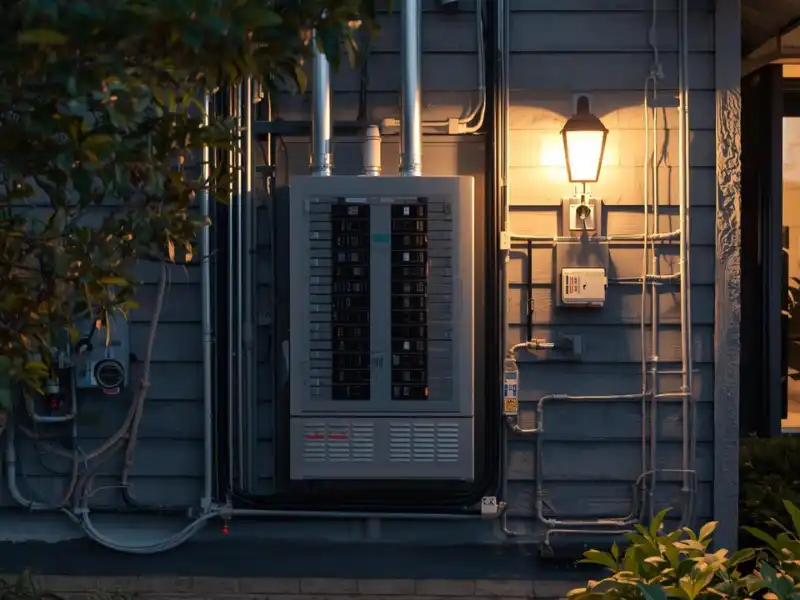
Open your electrical panel door (the outer cover, not the dead front that protects the wiring). Look for these telltale signs:
- Federal Pacific Electric or FPE logo stamped on the panel interior or breakers
- “Stab-Lok” branding on the circuit breakers themselves
- A distinctive red stripe running down the middle of some breaker models
- The label “Federal Pacific” or “FPE” on the panel manufacturer’s label
The breakers in FPE panels have a unique appearance; they’re typically thin with the word “Stab-Lok” embossed on the side. The panel interior often has a grayish or silver appearance.
Age of the Home as an Indicator
If your home was built or had electrical work completed between 1950 and 1990, there’s a higher likelihood of having an FPE panel. Homes built in the 1960s and 1970s, when FPE was at its peak market share, are especially suspect. However, don’t assume you’re safe if your home is newer; panels from older homes are sometimes reused, or additions may have been completed using remaining FPE inventory into the early 1990s.
The Federal Pacific Panel Replacement Process
Once you’ve identified an FPE panel in your home, the question becomes: what next?
When to Replace vs. Inspect
Here’s the straightforward answer: Federal Pacific panel replacement should be considered mandatory, not optional. While some homeowners might be tempted to “wait and see” or simply have the panel inspected, the consensus among electrical safety experts is clear: ar these panels cannot be made safe through inspection or repair.
No amount of maintenance will fix the fundamental design flaws in Stab-Lok breakers. If you have an FPE panel, replacement should be your priority.
Steps Involved in Replacement
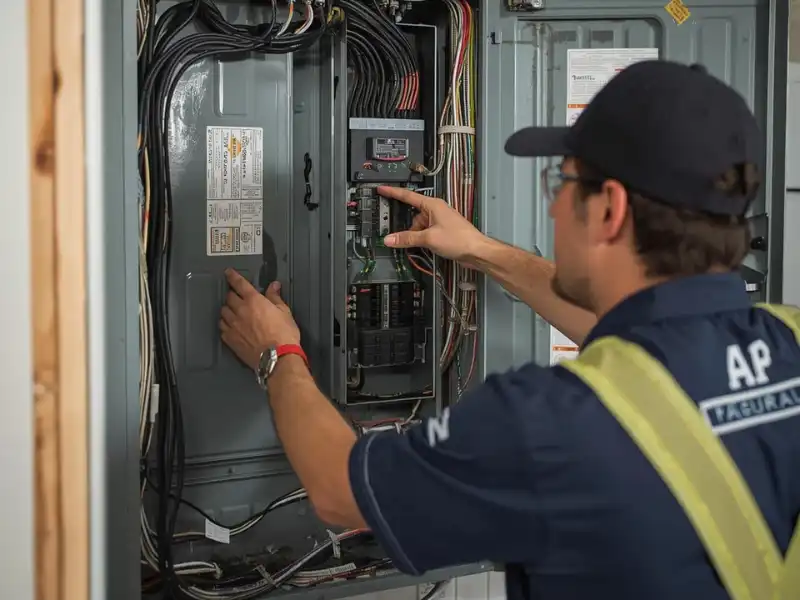
The replacement process typically follows these stages:
- Initial assessment: A licensed electrician evaluates your current electrical system, including panel amperage, circuit count, and overall system condition.
- Permit acquisition: Electrical panel replacement requires permits in virtually all jurisdictions to ensure work meets current electrical codes.
- Power disconnection: The utility company temporarily disconnects power to your home at the meter.
- Old panel removal: The electrician removes the FPE panel and evaluates existing wiring for any necessary updates.
- New panel installation: A modern, code-compliant panel is installed with properly rated breakers.
- Inspection: Local electrical inspectors verify that the work meets all current codes and safety standards.
- Power restoration: The utility reconnects power, and your electrician tests all circuits.
What to Expect During Installation
Most Federal Pacific panel replacement projects take between 4 and 8 hours for a straightforward swap. However, if your home needs additional updates such as upgrading from 100-amp to 200-amp service, addressing aluminum wiring, or bringing grounding systems up tocodec,o de the project may extend to a full day or longer.
You’ll be without power during work, so plan accordingly. Coordinate with your electrician regarding the timeline, and prepare by charging devices, planning meals that don’t require cooking, and making arrangements if you have medical equipment that requires electricity.
Cost of Federal Pacific Panel Replacement
Budget is often the primary concern for homeowners facing this necessary upgrade.
Average Replacement Costs
The cost to replace a Federal Pacific panel typically ranges from $1,500 to $4,000 for a like-for-like replacement. A standard 100-amp to 200-amp panel replacement generally falls in the $2,000 to $3,000 range in most markets.
However, these figures represent only the baseline. Your actual cost depends on several variables.
Factors Affecting Price
Several elements influence the final price tag:
- Service upgrade requirements: Upgrading from 100-amp to 200-amp service adds $1,000 to $2,500 to the project cost.
- Code compliance updates: Older homes may need additional work to meet current electrical codes, including AFCI/GFCI breaker requirements, grounding system improvements, or meter upgrades.
- Panel location: Panels in difficult-to-access locations (basements with low clearance, tight utility closets) increase labor time.
- Geographic location: Labor rates vary significantly by region, with urban coastal markets commanding premium prices.
- Existing wiring condition: If existing wiring is damaged, undersized, or hazardous (like ungrounded aluminum wiring), additional remediation work may be necessary.
Available Rebates and Incentives
Many utility companies offer rebates for electrical panel upgrades, particularly if you’re upgrading to support electric vehicle charging, solar panels, or other energy-efficient improvements. Some municipalities also provide low-interest loans or rebate programs for critical safety upgrades.
Check with your local utility provider and municipality to identify available programs. Some homeowners have received rebates of $500 to $2,000, significantly offsetting replacement costs.
Choosing the Right Replacement Panel
Not all replacement panels are created equal. Working with your electrician, you’ll select a modern panel that meets your home’s needs.
Modern Panel Options
Today’s leading manufacturers include:
- Square D: Industry standard with excellent reliability and wide availability of replacement breakers.
- Siemens: Known for quality construction and smart home integration options.
- Eaton (Cutler-Hammer): Offers robust commercial-grade options suitable for residential use.
All three manufacturers produce UL-listed panels that meet or exceed current electrical codes. Your electrician can recommend the best option based on your specific needs, local availability, and budget.
Safety Features to Look For
Modern electrical panels include safety features that weren’t available when FPE panels were manufactured:
- AFCI (Arc Fault Circuit Interrupter) breakers: Detect dangerous arcing conditions that can cause fires, now required by code for most circuits.
- GFCI (Ground Fault Circuit Interrupter) breakers: Protect against electrocution in wet locations like bathrooms, kitchens, and outdoor circuits.
- Thermal trip mechanisms: Modern breakers use proven thermal and magnetic trip mechanisms that reliably disconnect power during overloads.
- Bus bar design: Updated bus bar connections ensure secure breaker attachment without the “stab-in” design flaws of FPE panels.
Why Professional Installation Matters
Given the high stakes involved, this isn’t a project for weekend warriors.
Dangers of DIY Electrical Work
Working inside an electrical panel exposes you to potentially lethal voltages. Even with the main breaker off, components inside the panel remain energized. According to the Electrical Safety Foundation International, hundreds of electrical workers and homeowners are killed annually in electrical accidents, many involving panel work.
Beyond the immediate danger, improper installation creates long-term hazards. Incorrectly sized breakers, poor wire connections, reversed polarity, or inadequate grounding all create fire and shock hazards that may not manifest for months or years.
Hiring a Licensed Electrician
Choose an electrician who is:
- Fully licensed in your state or municipality
- Insured with both liability and workers’ compensation coverage
- Experienced with panel replacements and familiar with local code requirements
- Willing to obtain permits and schedule required inspections
Get multiple quotes, but don’t automatically choose the lowest bid. Ask for references, verify licenses, and ensure the electrician will pull proper permits. A quality installation from a reputable electrician provides peace of mind and protects your home’s value.
Final Thought
Federal Pacific panel replacement isn’t just a home improvement; it’s a critical safety upgrade that protects your family and property. While the cost may seem significant, it’s minimal compared to the potential cost of an electrical fire or the inability to obtain homeowners’ insurance.
If you’ve identified a Federal Pacific panel in your home, don’t delay. Contact licensed electricians in your area for quotes, explore available rebates, and schedule your replacement. Every day you wait is another day your home faces unnecessary risk.
Contact us today to get a quote and schedule your Federal Pacific panel replacement. Our team of licensed professionals is ready to help ensure the safety and efficiency of your home’s electrical system.
Join Our Community
Join our community on Facebook, and don’t forget to subscribe to us on YouTube for new content each week.
FAQs
1: How much does Federal Pacific panel replacement cost?
Federal Pacific panel replacement typically costs $1,500-$4,000, depending on amperage upgrade needs, location, and code compliance requirements.
2: Why are Federal Pacific panels dangerous?
FPE Stab-Lok breakers fail to trip 60% of the time during overloads, allowing wires to overheat and potentially cause electrical fires.
3: How do I identify a Federal Pacific panel?
Look for “Federal Pacific,” “FPE,” or “Stab-Lok” labels on the panel door or breakers. FPE breakers often have a distinctive red stripe.
4: Will insurance cover homes with Federal Pacific panels?
Many insurers refuse coverage or require immediate replacement of FPE panels. Some may cancel existing policies upon discovery of these panels.
5: Can I just replace the breakers instead of the whole panel?
No. Replacing only breakers won’t fix the fundamental design flaws. Complete panel replacement is the only safe solution for FPE panels.