
Lighting plays one of the most important roles in setting the mood, functionality, and style of a new home. For home buyers, the way lighting is designed can completely change the feel of each space, from kitchens to living rooms and even bedrooms. Among the most versatile and popular options available is recessed lighting. When planned correctly, recessed lighting design provides seamless illumination without cluttering ceilings with bulky fixtures.
At Reliable Wire Electric, we’ve helped countless homeowners create lighting layouts that not only brighten rooms but also highlight architectural features and improve overall comfort. This guide will walk home buyers through the key considerations of in-ceiling lighting design, from placement and spacing to room-specific strategies. Follow up on Facebook
Why Downlight Design Matters
Recessed lights sometimes called can lights or downlights are installed flush with the ceiling. Their clean look is especially attractive for modern homes. However, the way these lights are arranged can make the difference between a room that feels warm and functional versus one that feels dark or unevenly lit.
Good downlight design ensures:
- Consistent, even light distribution across rooms.
- Highlights on specific features like artwork, cabinets, or architectural details.
- Flexibility to create mood lighting with dimmers.
- Energy efficiency when paired with LED technology.
For home buyers investing in their dream space, recessed lighting design is an important detail that adds value and comfort.
The Basics of In-Ceiling Lighting Design
Spacing and Placement
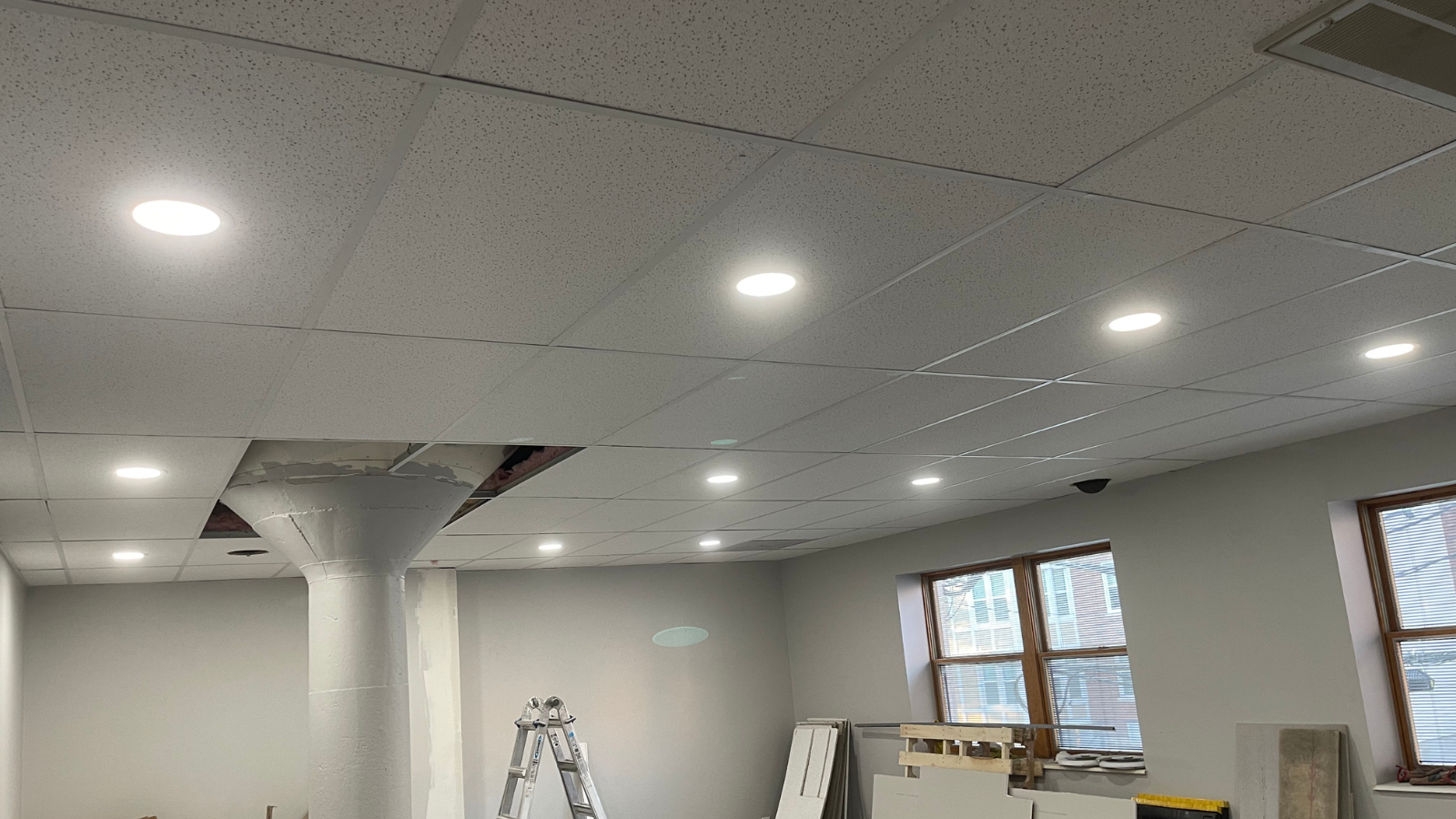
A common rule of thumb is to space fixtures about half the ceiling height apart. For an 8-foot ceiling, lights should be spaced roughly 4 feet apart. Proper spacing prevents shadows and dark spots.
Zones of Light
Effective planning often divides a room into zones: general lighting for overall brightness, task lighting for work areas, and accent lighting for highlighting features.
Beam Angle
Different trims and bulbs provide narrow or wide beams. Narrow beams are better for spotlighting, while wide beams spread light evenly across a larger area.
Dimming Capabilities
Adding dimmers gives homeowners control over mood and brightness. From bright task lighting in kitchens to soft ambiance in living rooms, dimmable downlight layouts offer flexibility.
Room-by-Room In-Ceiling Layouts
Living Room
In living rooms, recessed lights provide general illumination while accentuating focal points. A well-planned recessed lighting design may include lights aimed at bookshelves, artwork, or a fireplace. Dimmers are essential to create both bright settings for gatherings and softer lighting for relaxation.
Kitchen
The kitchen benefits most from layered lighting. Ceiling-integrated lights provide overhead coverage, while task lights brighten countertops, islands, and sinks. A thoughtful recessed Lighting design ensures shadows don’t interfere with cooking tasks.
Bedroom
In bedrooms, in-ceiling fixtures work best when placed around the perimeter instead of directly above the bed. This creates a cozy, inviting glow. Pairing downlights with bedside lamps completes the layered lighting approach.
Bathroom
Bathrooms require bright, functional lighting. Pot lights above showers or bathtubs provide targeted illumination. Waterproof trims are essential here. A well-planned recessed lighting design combines task lighting near mirrors with ambient lighting across the space.
Hallways and Entryways
Long hallways and entry spaces benefit from evenly spaced downlights. This avoids dark stretches and makes these areas feel welcoming.
Common Mistakes to Avoid
Even the best intentions can lead to poor lighting if key rules are overlooked. Common mistakes include:
- Placing fixtures too close together, causing harsh brightness.
- Ignoring shadows that appear over countertops or seating areas.
- Using the same bulb type throughout without considering color temperature.
- Forgetting dimmer switches for flexibility.
- Overlooking energy-efficient options that reduce utility costs.
Avoiding these mistakes ensures a smoother, more functional result.
Customizing Your In-Ceiling Setup
Home buyers can customize their system to fit lifestyle and preferences. Options include:
- Trim Styles: From sleek, modern trims to decorative finishes that complement interiors.
- Bulb Choices: LED lamps provide longevity and Energy efficiency, with multiple color temperatures.
- Smart Controls: Integration with home automation systems allows voice or app-based control.
By personalizing your downlighting plan, homeowners create spaces that feel uniquely theirs.
Case Study: Modern Home in Baton Rouge
Reliable Wire Electric recently worked on a new home where the buyers wanted modern, minimalist lighting. We developed a plan with LED downlights in the living room, layered with accent lights on the fireplace. In the kitchen, we used task-focused fixtures above the island and sink. Dimmers were installed throughout, allowing the family to switch between bright functionality and warm ambiance. The result was a home that felt both stylish and practical.
Energy Efficiency in In-Ceiling Lighting
With energy costs rising, efficiency is a major concern for home buyers. LED downlights consume far less electricity and last significantly longer than traditional bulbs. Pairing LEDs with smart dimmers further improves efficiency. Choosing the right layout ensures homes stay bright while reducing monthly utility bills.
Long-Term Value of Good Lighting
For home buyers, lighting is often an afterthought during the purchasing process. However, well-executed planning adds significant long-term value:
- Increased home appeal and resale value.
- Lower maintenance due to longer-lasting bulbs.
- Enhanced comfort and usability of every room.
- Improved safety by eliminating dark or shadowy areas.
Lighting impacts how every space feels and functions, making it one of the best investments in a new home.
Why Choose Reliable Wire Electric
At Reliable Wire Electric, we understand that home buyers want more than just wiring—they want solutions that enhance daily living. Our team specializes in recessed lighting design tailored to each home’s layout, lifestyle, and budget. We combine technical expertise with creative planning to deliver lighting systems that are safe, efficient, and beautiful.
Whether you’re buying your first home or building your forever home, we’re here to ensure your recessed lighting design matches your vision and enhances your investment.
Conclusion
Downlights offer homeowners a clean, modern way to illuminate their homes. But the true success of these fixtures comes from thoughtful planning. A well-executed plan provides consistent brightness, highlights features, improves energy efficiency, and enhances comfort.
For home buyers, investing time in lighting layout decisions today pays dividends for years to come. At Reliable Wire Electric, we’re proud to guide homeowners through the process, ensuring every room benefits from lighting that is both practical and beautiful.
If you’re ready to bring your new home to life with a design that combines functionality and style, Contact Reliable Wire Electric today.
FAQs About Recessed Lighting Layout Planning
1. Why is recessed lighting important in a new home?
It shapes how each room feels and functions with clean, even light that doesn’t clutter ceilings.
2. What’s the ideal spacing for recessed lights?
Roughly half the ceiling height—e.g., about 4 fits apart for an 8-ft ceiling.
3. How do I plan recessed lighting for different rooms?
Use zones: general lighting for brightness, task lighting for work areas, and accent lighting to highlight features.
4. Should recessed lights be placed directly above furniture or beds?
No. Position them around the perimeter to avoid harsh shadows or glare.
5. What mistakes should I avoid with recessed lighting?
Avoid overcrowding fixtures, skipping dimmers, or ignoring color temperature differences between bulbs.
6. What does the beam angle change?
Narrow beams spotlight; wide beams spread light evenly across larger areas.