A swimming pool can be one of the most attractive features of a home. It provides a place to relax, exercise, and entertain family and friends. However, behind every properly functioning pool is an electrical system that powers essential equipment such as pumps, heaters, lighting, and filtration systems. For home buyers, understanding the electrical setup behind a pool is important before purchasing a property.
A properly installed pool equipment panel helps organize and protect the electrical circuits that serve pool equipment. At Reliable Wire Electric, we help homeowners understand their electrical needs and provide professional electrical installation and service throughout Missouri. If you’re buying a home with a swimming pool, knowing how the pool equipment panel works can help you identify potential safety concerns and plan for future upgrades.
What Is a Pool Equipment Panel?
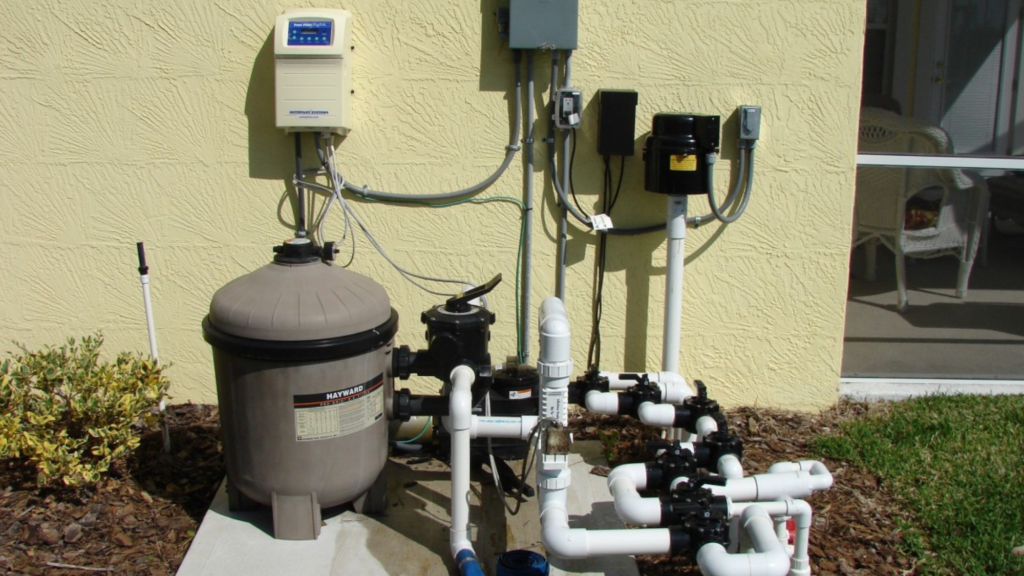
A pool equipment panel is an electrical panel or subpanel used to distribute power to equipment associated with a swimming pool. Depending on the property’s design, it may supply electricity to the pool pump, filtration equipment, heater, lighting, automation controls, and other equipment.
Instead of running every pool component directly from the home’s main electrical panel, a properly designed pool equipment panel can provide an organized location for pool-related circuits.
For home buyers, this setup can make maintenance and troubleshooting easier while helping keep pool equipment properly supplied with electricity.
Why a Pool Equipment Panel Is Important
Pool equipment can require significant electrical power. Pumps may operate for several hours each day, while heaters and other equipment can require additional capacity.
A professionally installed pool equipment panel helps organize these electrical demands.
A properly designed system can provide:
- Dedicated circuits for equipment
- Appropriate circuit protection
- Organized electrical connections
- Easier maintenance
- Better system management
- Room for future equipment
A qualified electrician can determine what type of pool equipment panel is appropriate based on the equipment installed at the property.
Equipment Commonly Connected to the Panel
A swimming pool may have several electrical components that require dedicated power.
These can include:
Pool Pumps
The pump circulates water through the filtration system. Because it is essential to pool operation, the pump should have an appropriately sized electrical circuit.
Pool Heaters
Electric pool heaters and other heating equipment can have substantial electrical requirements. The pool equipment panel must be properly sized for the heater and other connected loads.
Pool Lighting
Pool and landscape lighting can improve the appearance and usability of the outdoor area. Electrical installations around pools require careful attention to safety because of the presence of water.
Filtration Equipment
Filtration systems help keep pool water clean and circulating. Depending on the equipment, they may require dedicated electrical connections.
Automation Systems
Modern pools may use automation equipment to control pumps, lighting, heating, and chemical systems. A properly organized pool equipment panel can support these components.
Proper Panel Sizing
One of the most important parts of installing a pool equipment panel is determining the appropriate electrical capacity.
An electrician should evaluate the expected electrical load, including existing and planned pool equipment.
Factors may include:
- Pump horsepower
- Heater requirements
- Lighting loads
- Filtration equipment
- Automation equipment
- Future upgrades
A panel that is too small may limit the homeowner’s options, while an unnecessarily oversized installation may increase project costs.
GFCI Protection and Pool Safety
Electrical safety is especially important around swimming pools. Ground Fault Circuit Interrupter protection is commonly used to help reduce the risk of electrical shock in appropriate applications.
A pool equipment panel should be designed with appropriate protection for the circuits and equipment being served.
Home buyers should never assume that an older pool electrical system meets current requirements simply because it has been operating for years. Electrical standards and equipment requirements can change.
A professional inspection can help identify potential concerns.
Bonding and Grounding
Pool electrical safety involves more than installing breakers. Proper bonding and grounding are important components of a safe pool electrical system.
Bonding helps keep conductive components at substantially the same electrical potential, while grounding provides a path for fault current under appropriate conditions.
A qualified electrician should evaluate the pool equipment panel and related pool electrical system to ensure the installation has appropriate safety measures.
Panel Location Matters
The location of the pool equipment panel is another important consideration.
The panel should be installed in an appropriate location that allows for safe operation, maintenance, and access while considering the pool area’s specific electrical requirements.
Home buyers should look at whether the panel is:
- Easily accessible to qualified professionals
- Protected from unnecessary exposure
- Clearly labeled
- Free of visible damage
- Installed with appropriate equipment
If you’re unsure whether the existing location is suitable, have a professional electrician evaluate it.
What Home Buyers Should Inspect
If you’re buying a home with a pool, don’t focus only on the pool’s appearance. The electrical system supporting it deserves attention as well.
Ask about the age and condition of the pool equipment panel, as well as any previous electrical upgrades.
During a professional electrical evaluation, an electrician may examine:
- Panel condition
- Breakers
- Wiring
- Grounding
- Bonding
- GFCI protection
- Equipment connections
- Outdoor electrical components
Identifying electrical problems before purchasing a property can help you budget for necessary repairs.
Warning Signs of Electrical Problems
Certain signs may indicate that the pool equipment panel needs professional attention.
Home buyers should watch for:
- Frequently tripping breakers
- Buzzing sounds
- Burning odors
- Discolored components
- Corrosion
- Damaged wiring
- Water intrusion
- Equipment that repeatedly loses power
These problems should not be ignored. Repeatedly resetting a breaker without determining the cause can create additional safety concerns.
Planning for Future Pool Upgrades
A home’s pool may eventually receive additional equipment. Homeowners may want to add a heater, upgraded lighting, automation system, or other features.
When installing a pool equipment panel, it can be beneficial to consider future electrical requirements.
Planning ahead may make future upgrades easier and help reduce the need for major electrical modifications later.
New Construction Pool Electrical Planning
If you’re buying a new construction home with a planned swimming pool, electrical planning should happen before the pool and surrounding areas are completed.
During construction, electricians can coordinate the pool equipment panel with:
- Main electrical service
- Pool equipment locations
- Outdoor lighting
- Pool controls
- Future equipment
- Appropriate wiring pathways
Early planning can help create a cleaner and more organized installation.
Existing Pool Electrical Upgrades
Older homes may have pool electrical systems that no longer meet the homeowner’s needs. Equipment may have been added over the years without a comprehensive redesign.
An electrician can inspect the existing pool equipment panel and determine whether repairs, circuit additions, or a panel upgrade are appropriate.
Updating the electrical system may improve reliability and prepare the property for modern pool equipment.
Why Professional Installation Matters
Pool electrical systems should be treated as specialized electrical installations because electricity and water create serious safety concerns.
Professional installation helps ensure that the pool equipment panel is appropriately selected, installed, connected, and protected.
Reliable Wire Electric can evaluate electrical requirements and provide professional solutions designed around the property’s equipment and electrical infrastructure.
Why Choose Reliable Wire Electric?
Reliable Wire Electric provides professional electrical services for homeowners throughout Missouri. Our team understands the importance of safe electrical installations and dependable service for residential properties.
Homeowners can turn to Reliable Wire Electric for assistance with:
- Electrical panels
- Pool equipment electrical systems
- Circuit installations
- Outdoor electrical systems
- GFCI protection
- Electrical inspections
- New construction electrical work
We focus on providing practical electrical solutions that support the safety and functionality of your home.
Final Thoughts
A swimming pool adds value, convenience, and enjoyment to a property, but the electrical system supporting it should never be overlooked. A properly designed pool equipment panel helps organize power for pumps, heaters, lighting, filtration equipment, and other pool components.
For home buyers, evaluating the pool equipment panel should be part of the electrical assessment when purchasing a property with a swimming pool. Look for signs of damage, outdated equipment, repeated breaker trips, and questionable wiring, and consider having a qualified electrician perform a professional evaluation.