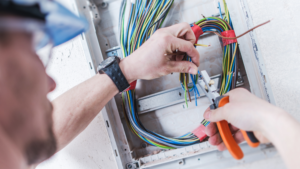
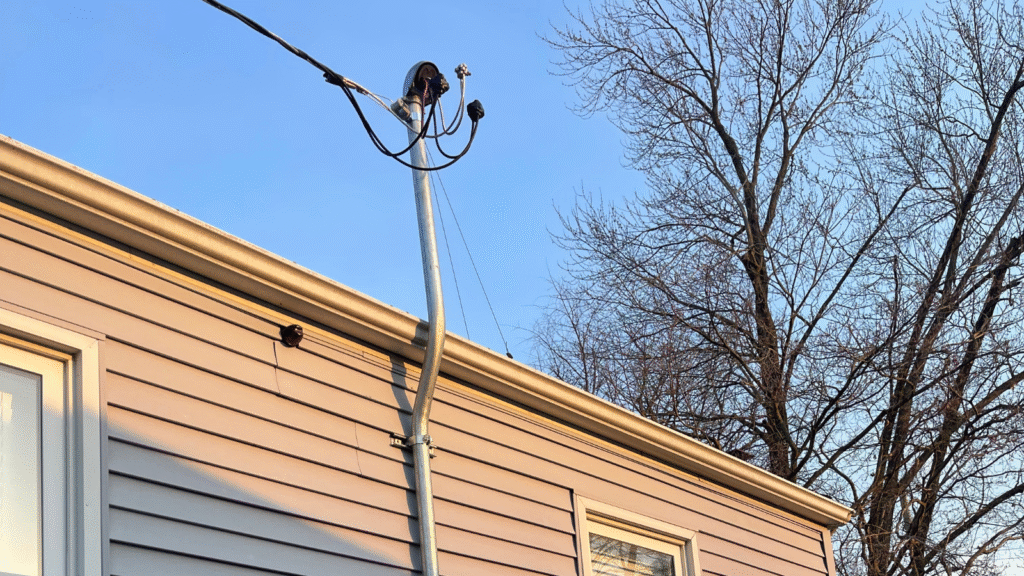
When buying a new home, safety often becomes a top priority, making professional wiring for security cameras a crucial step toward ensuring peace of mind. These outdoor surveillance systems deter intruders, monitor activity, and provide valuable evidence in case of incidents.
However, before setting up your cameras, it’s important to understand the electrical setup required for their effective operation. That’s where proper outdoor security camera wiring comes into play. At Reliable Wire Electric, we’ve helped countless homeowners plan and install their security systems.
This article will guide you through the essentials of camera wiring, power options, safety considerations, and the significance of professional camera installation. By the end, you’ll know what to expect when planning the electrical setup for your outdoor security system.
Why Outdoor Surveillance Camera Wiring is Crucial
Cameras might seem simple, but behind the scenes, proper electrical connections are necessary for them to function effectively. Incorrect or poorly planned wiring can result in unreliable performance, gaps in coverage, or even fire hazards. For home buyers, understanding outdoor camera wiring ensures your system:
- Works efficiently under all weather conditions
- Provides clear, consistent footage
- Has a long lifespan, minimizing the need for repairs
- Meets safety standards and building codes
Getting the wiring setup correct from the outset saves money and stress later.
Power Options for Outdoor Surveillance Cameras
When planning your security system, you’ll need to choose the best way to power your cameras. The three most common power solutions are:
1. Hardwired Power
Many outdoor cameras are connected directly to your home’s electrical system. This involves running dedicated wiring from your circuit panel to the camera location. While the installation is more complex, hardwired cameras are reliable and don’t require batteries.
2. Power over Ethernet
Power over Ethernet uses a single Ethernet cable to transmit both data and power, simplifying the wiring process by reducing the number of cables. This solution is popular in modern smart home systems for its efficiency and clean installation.
3. Battery-Powered Cameras
Some homeowners opt for battery-powered cameras for easier setup. Though they don’t require complex wiring, these cameras depend on regular battery recharging or replacement. They’re convenient, but not as reliable in the long run.
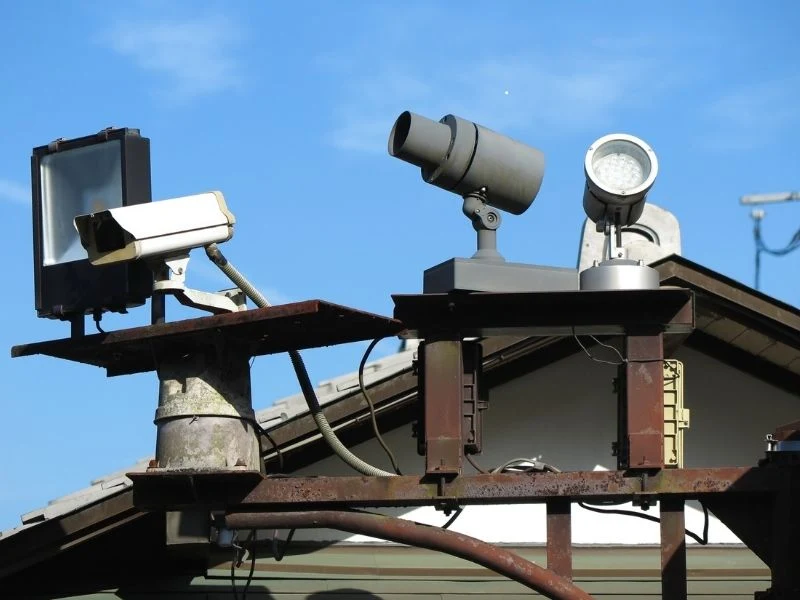
Key Wiring Considerations for Outdoor Security Systems
Planning your outdoor security system wiring involves several key factors:
Weather Resistance
Your cables should be rated for outdoor use, capable of withstanding UV exposure, rain, and temperature fluctuations. Using standard indoor-rated wires for outdoor setups can lead to premature failure.
Cable Routing
Wiring should be routed through walls, soffits, or conduits to prevent damage and maintain a tidy appearance. Visible cables are not only unsightly but can also be tampered with.
Power Supply Capacity
Ensure your home’s electrical system can handle the added load from the cameras. An electrician can assess whether you need a dedicated circuit.
Network Connection
For smart cameras, Ethernet or Wi-Fi connections are essential. Wired connections generally provide greater reliability, which is why wiring often includes data cables.
Safety Codes
Complying with local building and electrical codes ensures safety and adherence to regulations.
Common Mistakes in Security Camera Wiring
Homeowners often make several mistakes when planning their security camera wiring. These include using indoor-rated cables outdoors, failing to protect wires with conduit, overloading existing electrical circuits, installing cables in poorly sealed entry points that allow water to leak, and making improper connections that could damage equipment. To avoid these issues, hiring a professional electrician is often recommended for outdoor security camera wiring.
Benefits of Professional Installation
Although DIY solutions are available, professional installation provides peace of mind. At Reliable Wire Electric, we ensure that wires are rated for outdoor conditions, circuits are correctly sized to meet camera power needs, cables are neatly routed and protected, and the system complies with local electrical codes. By trusting professionals with your camera wiring, you can focus on security rather than troubleshooting electrical issues.
Wiring for Security Cameras Palmdale
Proper wiring for security cameras in Palmdale is essential for reliable surveillance, clear video, and uninterrupted power. Correct cable placement, the use of quality connectors, and adherence to safety codes are critical for effective monitoring and long-term performance.
How Many Cameras Do You Need?
The amount of wiring required depends on both the number of cameras and their placement. Common locations for cameras include front and back doors, driveways, side gates or alleys, and backyard or patio areas. Each additional camera increases wiring needs, so a professional installer will design an efficient wiring route that covers all areas without creating clutter.
Smart Home Integration
Many modern homes integrate security cameras with smart home systems. With the right wiring, your system can connect seamlessly with apps, alarms, and even smart lighting. This integration requires careful planning of both power supply and network connections to ensure smooth operation.
Cost Considerations
Wiring costs depend on several factors, including the number of cameras, distance between cameras and power sources, type of wiring used (hardwired or Power over Ethernet), and your home’s electrical system capacity.
While professional installation is an investment, it is less expensive than fixing wiring errors or dealing with system failures later. Outdoor camera wiring should be considered as part of your overall moving or home setup budget.
Maintenance Tips for Outdoor Security Camera Wiring
Once installed, outdoor camera wiring requires minimal maintenance, but regular checks help extend its life. Inspect cables annually for wear, clear debris and leaves around camera mounts, ensure seals at entry points remain intact, and schedule professional inspections if any issues arise. Routine inspections help ensure that your security camera wiring remains reliable for years.
Authoritative Guidelines for Outdoor Security Camera Wiring
When planning the electrical setup for your outdoor security cameras, it’s essential to adhere to established standards and best practices. Several reputable institutions offer comprehensive guidelines to ensure safety, compliance, and efficiency.
U.S. Department of Homeland Security CCTV Technology Handbook PDF
The U.S. Department of Homeland Security provides a detailed handbook on CCTV technologies pdf, covering various aspects of camera systems, including wiring considerations. This resource is invaluable for understanding the technical specifications and requirements for installing security cameras in compliance with federal standards.
Final Thoughts
Installing outdoor security cameras is a smart investment in the safety and protection of your home. However, behind every reliable system is a well-planned electrical setup, and professional wiring for security cameras ensures your equipment works reliably, integrates with your smart home, and withstands the elements.
At Reliable Wire Electric, we specialize in helping homeowners design and install outdoor camera systems that are safe, compliant, and long-lasting. Whether you’re setting up a new security system or upgrading an existing one, we’re here to make sure your cameras provide protection from day one.
FAQs
1. How are cameras wired?
Most modern systems use a single Ethernet cable (PoE) or a Siamese BNC cable to handle both the video signal and power.
2. Cat5 or Cat6?
Cat6 is better for future-proofing and higher bandwidth, though Cat5e is usually sufficient for standard 4K security feeds.
3. How do they get power?
Wired cameras get power via Power over Ethernet (PoE) from an NVR/switch or through a dedicated plug-in DC power adapter.
4. How to power wireless cameras?
Even “wireless” cameras usually need a power cord plugged into an outlet, unless they are specifically battery or solar-powered.
5. Can I install them myself?
Yes! If you’re comfortable with a drill and running cable through attics or walls, DIY kits are designed for home setup.