When buying a home, many buyers focus on visible features like kitchens, flooring, and curb appeal. However, one of the most critical—and often overlooked—elements is the home’s electrical system. Specifically, electrical meter installation plays a key role in ensuring safe and reliable power. Understanding the differences between underground and overhead service is essential when evaluating homes in Missouri.
At Reliable Wire Electric, we guide home buyers through the nuances of electrical meter installation, helping them understand how each setup impacts safety, maintenance, and long-term property value. This guide breaks down underground versus overhead systems so buyers can make informed decisions.
Understanding Electrical Meter Installation
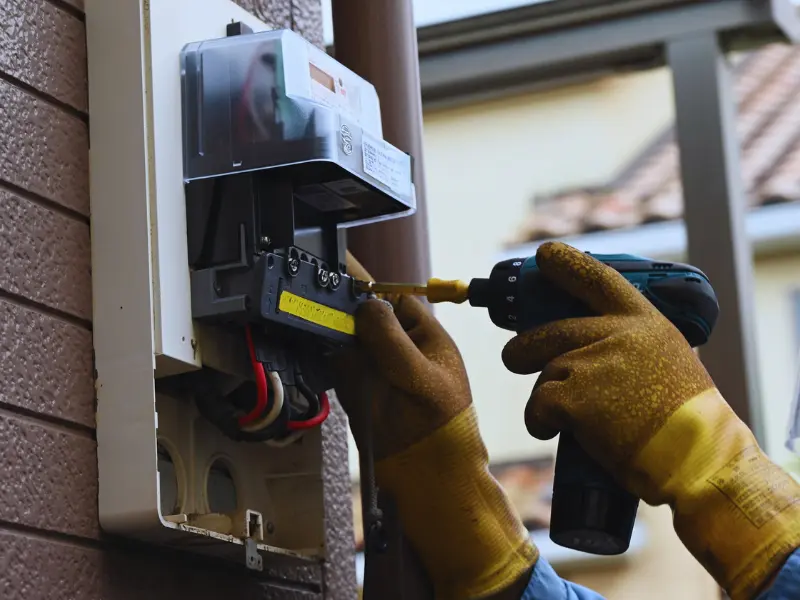
An electrical meter measures the electricity a home consumes and connects the property to the utility grid. Every installation in Missouri must comply with strict safety codes and utility standards. The main distinction between underground and overhead setups lies in how power travels from the utility lines to the home.
Both systems are safe and effective when properly installed, but each offers unique benefits and considerations for home buyers.
What Is Overhead Electrical Meter Installation?
Overhead service is the traditional method found in many established neighborhoods. Power lines run from a utility pole directly to the home through an overhead service drop, connecting to the meter mounted on the exterior wall. Key features of overhead systems in Missouri include visible service wires, a mast or weatherhead, an exterior wall-mounted meter, and easier visual inspections. This method remains common, especially in older communities.
Benefits of Overhead Systems
Many buyers encounter overhead installations in older Missouri homes. Overhead systems typically cost less to install since they require minimal trenching and labor. Repairs are generally easier because the wires are visible, allowing for quicker diagnosis of problems. Utility companies also have faster access to overhead lines for maintenance, which can reduce downtime during repairs. Additionally, older homes were often designed with overhead service in mind, making this system common in existing properties.
Drawbacks of Overhead Systems
Despite their advantages, overhead systems do have some drawbacks. They are more vulnerable to storms, wind, and ice, which can increase the risk of outages. Falling branches or other debris can also damage exposed wires. Moreover, visible wires may affect the home’s curb appeal. For buyers prioritizing aesthetics and reduced weather exposure, overhead service may feel outdated.
What Is Underground Electrical Meter Installation?
Underground service delivers power through buried cables from the utility transformer directly to the meter. Many newer Missouri developments favor underground systems because they provide a clean appearance and additional protection. Underground installations feature buried conduit and service lines, a weatherproof meter base, fewer visible electrical components, and an enhanced exterior appearance.
Benefits of Underground Systems
Underground systems offer improved curb appeal since there are no overhead wires, giving the home a modern look. These buried lines are less susceptible to weather damage from storms, wind, or ice, which reduces service interruptions. The risk of accidental damage from falling branches or vehicles is lower, and properly installed underground systems generally offer long-term reliability with fewer service interruptions.
Drawbacks of Underground Systems
Despite their advantages, underground systems also have considerations. Installation and upgrades tend to be more expensive due to labor and materials. Repairs are more complex if damage occurs because the lines are buried, and improper sealing may lead to water intrusion. Professional installation is crucial to ensure the system remains safe and reliable over time.
Safety Considerations
Regardless of whether a home has overhead or underground service, safety should be a top priority. Proper electrical meter installation in Missouri requires correct grounding and bonding, weatherproof enclosures, properly sized conductors, secure connections, and clear labeling. Reliable Wire Electric inspects both underground and overhead setups to ensure full compliance with local codes and utility requirements.
Choosing the Best Option for Home Buyers
Choosing between overhead and underground electrical meter installation depends on several factors. Neighborhood standards often dictate the type of service, with some communities or homeowners’ associations requiring one over the other. Property age is another consideration: older homes usually have overhead systems, while newer developments often favor underground service. Budget plays a role as well, as upgrading from overhead to underground can be costly. Finally, long-term plans, such as renovations or adding EV chargers, may make underground service the preferred choice due to flexibility and aesthetics.
Quick Comparison Table
| Feature/Type | Overhead Electrical Meter Installation | Underground Electrical Meter Installation |
|---|---|---|
| Installation Cost | Lower | Higher |
| Aesthetics | Wires visible | Clean, modern look |
| Weather Exposure | Vulnerable to storms, wind, ice | Protected underground |
| Repair & Maintenance | Easier due to visible wires | More complex due to buried lines |
| Common in Missouri Homes | Older homes | Newer developments |
Inspection and Upgrades
Before buying, inspect the electrical meter system for rust, corrosion, loose components, or water intrusion. Buyers may also choose to upgrade the installation after purchase for improved aesthetics, reliability, or code compliance. Reliable Wire Electric coordinates upgrades safely with local utility providers.
Why Professional Installation Matters
Whether overhead or underground, electrical meter installation requires licensed expertise. Poor installation can lead to failed inspections, utility service delays, fire hazards, and costly repairs. Reliable Wire Electric ensures every project is safe, efficient, and code-compliant.
Final Thoughts
Understanding underground versus overhead systems helps Missouri home buyers make informed decisions. Both options are safe and reliable when professionally installed, with unique benefits in cost, appearance, and long-term maintenance.
Whether purchasing a home, upgrading a system, or scheduling an inspection, Reliable Wire Electric ensures your electrical meter installation is safe, efficient, and built to last. Ensure Safe Power – Book Your Installation with Experts!
FAQs
1. What is electrical meter installation?
Electrical meter installation connects a home to the utility grid and measures electricity usage.
2. What’s the difference between overhead and underground installation?
Overhead uses visible wires from poles; underground uses buried cables for a cleaner look.
3. Which is safer: overhead or underground installation?
Both are safe if professionally installed, but underground is less exposed to weather and damage.
4. Can I upgrade my home’s electrical meter installation?
Yes, you can upgrade from overhead to underground for aesthetics, reliability, or code compliance.
5. Who should perform electrical meter installation?
Licensed electricians should handle installation to ensure safety, code compliance, and proper function.