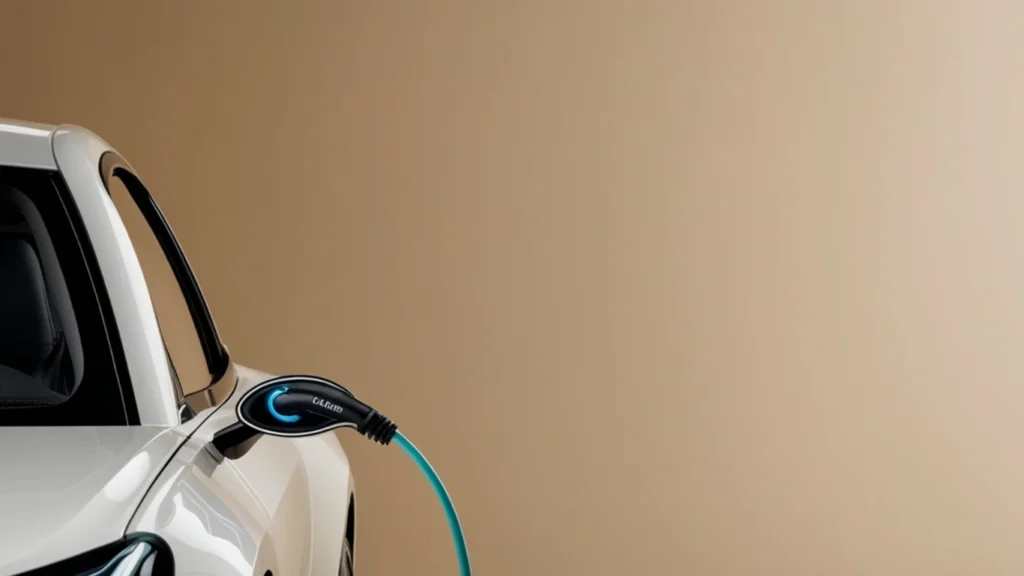
When home buyers evaluate a property, electric vehicles are quickly becoming a must-have consideration. As more buyers shift toward sustainable transportation, the availability of a reliable home charging solution is no longer a luxury; it’s an expectation. A professionally completed EV charging installation adds convenience, efficiency, and long-term value to a home. Understanding how a home EV charging station is installed helps buyers evaluate properties with confidence and plan future upgrades wisely.
At Reliable Wire Electric, we specialize in safe, code-compliant EV charging mounting services designed to meet the needs of modern homeowners and future-focused buyers.
Why EV Charging Matters to Home Buyers
Home buyers are increasingly asking whether a property is EV-ready. A completed EV charging installation allows buyers to charge their vehicles overnight, avoid the need for public charging stations, and enjoy more consistent energy costs. Homes with a professional installation offer faster and more reliable charging, increased market appeal, future-proof electrical infrastructure, and the convenience of having charging available at home. In addition, it supports clean energy goals and makes a home more attractive in competitive real estate markets.
Understanding Home EV Charging Levels
Before beginning an EV charging installation, it’s important to understand the different charging levels. Level 1 charging uses a standard outlet, but it is very slow and generally impractical for most buyers. Level 2 charging is the most common choice for residential installations because it provides significantly faster charging using a dedicated 240-volt circuit. Most home buyers prefer properties that are already equipped or can be easily upgraded, for Level 2 charging to meet their daily vehicle needs efficiently.
Electrical System Evaluation
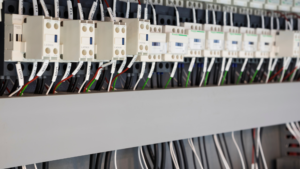
Every EV charging setup begins with a thorough assessment of the home’s electrical system to ensure it can safely handle the additional load. Reliable Wire Electric evaluates the main electrical panel capacity, available breaker space, existing load usage, and proper grounding and bonding. In some cases, particularly in older homes, panel upgrades may be required before the EV charging installation can be completed safely and efficiently.
Choosing the Right Charging Equipment
Not all EV chargers are the same, so selecting the right equipment is critical. Factors such as vehicle compatibility, charging speed, smart charging features, and whether the charger will be used indoors or outdoors all influence the decision. Home buyers benefit from having professionally selected equipment that aligns with their current vehicle as well as potential future EV models.
Determining the Best Installation Location
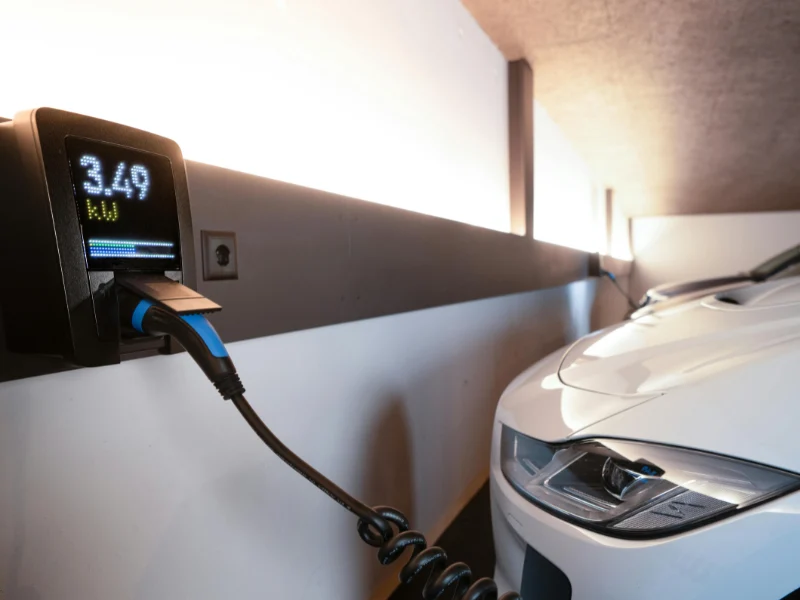
The location of the charger plays a key role in a successful installation. Chargers are typically installed in garages, carports, or exterior parking areas, with consideration given to distance from the electrical panel, weather exposure, cable management, and ease of daily access. A well-planned installation not only improves usability and aesthetics but also ensures safety and convenience for the homeowner.
Installing the Dedicated Circuit
A dedicated circuit is necessary for safe and reliable EV charging. Licensed electricians install a dedicated 240-volt circuit with the proper breaker sizing, code-compliant wiring, and ground fault protection if required. This step is essential for protecting both the vehicle and the home’s electrical system while providing consistent charging performance.
Permits and Code Compliance
Permits are a critical part of any professional EV charging installation. Local codes exist to ensure that installations meet safety standards and electrical regulations. For home buyers, having permitted work completed provides peace of mind and helps avoid issues during home inspections or future resale. Reliable Wire Electric handles all permit applications and inspection scheduling to ensure every installation is fully compliant.
Charger Mounting and Connection
After the circuit is installed, the charging unit is mounted and connected. Professional installation includes secure wall mounting, testing the electrical connection, proper labeling, and organized cable management. This ensures that the charger is durable, safe, and reliable for daily use over the long term.
Step Seven: Testing and System Verification
Every EV charging installation is carefully tested before final approval. Testing confirms proper voltage delivery, safe grounding, correct breaker operation, and that the charger communicates correctly with the vehicle. Reliable Wire Electric ensures each installation functions as expected before the system is placed into service.
EV Charging Setup and Home Inspections
For home buyers, a professionally completed EV charging setup can be a positive feature during a home inspection. Inspectors review permits, wiring methods, and panel capacity, and homes with documented EV charging setups often face fewer inspection concerns. This increases buyer confidence and demonstrates that the electrical work has been performed safely and professionally.
Safety Advantages of Professional Installation
Safety is one of the main reasons to choose a professional EV charging installation over a DIY approach. Professional installation reduces risks such as electrical fires, circuit overloads, improper grounding, and equipment damage. Licensed electricians ensure that all work meets strict safety standards, protecting both the home and its occupants.
Impact on Property Value
An EV charging mounting is increasingly recognized as a feature that adds value to a home. As electric vehicle adoption grows, buyers are willing to pay more for properties that are EV-ready. A properly installed charging station signals modern infrastructure, sustainability awareness, and long-term convenience, making the home more attractive in the marketplace.
EV Charging Mounting in Older Homes
Older homes may require upgrades before an EV charging mounting can be safely completed. Common improvements include electrical panel upgrades, increased service capacity, and grounding enhancements. Reliable Wire Electric evaluates older systems to ensure that EV charging installations are safe, efficient, and compatible with the home’s existing electrical infrastructure.
Smart Charging and Energy Management
Many modern chargers offer smart features that optimize energy use. A smart EV charging installation allows homeowners to schedule off-peak charging, track energy usage, integrate with solar systems, and control charging remotely. These features are particularly attractive to tech-savvy home buyers who value efficiency and energy management.
Why Home Buyers Trust Reliable Wire Electric
Home buyers rely on Reliable Wire Electric for EV charging mounting because we provide licensed and insured electricians, thorough electrical evaluations, code-compliant workmanship, permit and inspection management, and long-term reliability. Our team ensures every installation is safe, efficient, and ready for the future.
Final Thoughts
An EV charging installation is one of the smartest upgrades a home buyer can invest in today. It offers convenience, safety, and increased property value while supporting the shift toward electric vehicles. Whether purchasing a home with an existing system or planning an upgrade after closing, Reliable Wire Electric delivers professional EV charging setup solutions designed to meet the needs of modern homeowners and tomorrow’s technologies.
FAQs
1: Why is EV charging important for home buyers?
A home EV charger allows convenient overnight charging, reduces reliance on public stations, and increases property appeal and value.
2: What types of home EV charging are available?
Level 1 uses a standard outlet but is slow. Level 2 is faster, uses a 240V circuit, and is preferred for residential EV charging.
3: Can older homes support EV charging installation?
Yes, but older homes may need panel upgrades or increased service capacity to safely handle Level 2 chargers and added electrical load.
4: Do EV chargers require permits and inspections?
Yes. Professional installations include permits and code compliance checks to ensure safety and avoid future inspection or resale issues.
5: What are the benefits of professional EV charger installation?
Licensed electricians ensure safe wiring, proper grounding, code compliance, smart features, and reliable, long-term charger performance.