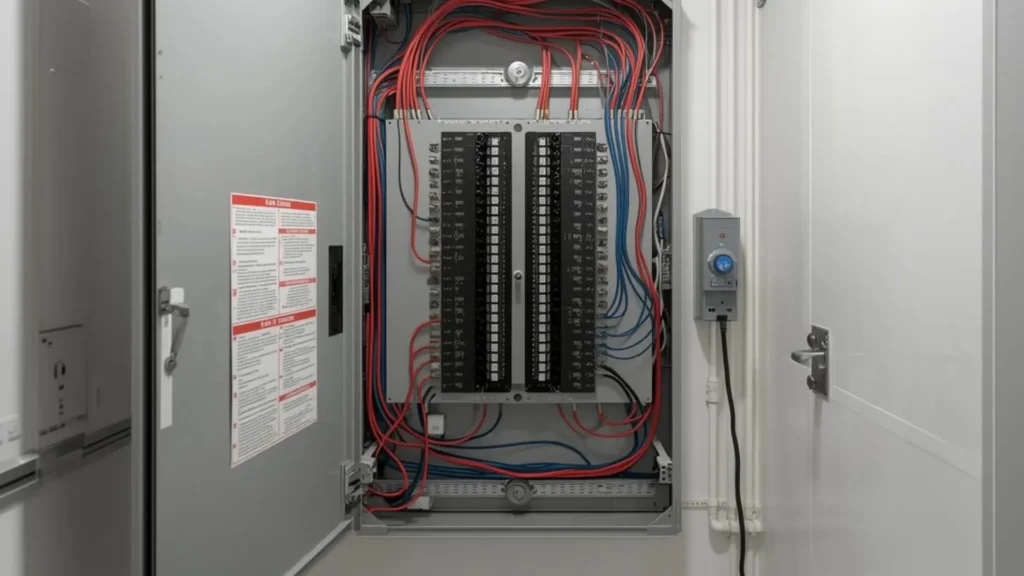
As homes grow with new appliances, workshops, EV chargers, or additions, the electrical demand increases. In many cases, electrical subpanel installation becomes the smartest way to expand capacity without replacing the entire electrical system. Done right, it improves safety, organization, and future flexibility.
What Is a Sub Panel and Why You Might Need One
A subpanel is a secondary electrical panel that gets power from your main service panel. It distributes electricity to a specific area, such as a garage, basement, workshop, or detached building.
You might need a subpanel when your main panel is full, when circuits are overcrowded, or when power is needed far from the main panel. Sub-panel installation also reduces long wire runs and makes troubleshooting much easier.
How to Install Electrical Sub Panel Safely
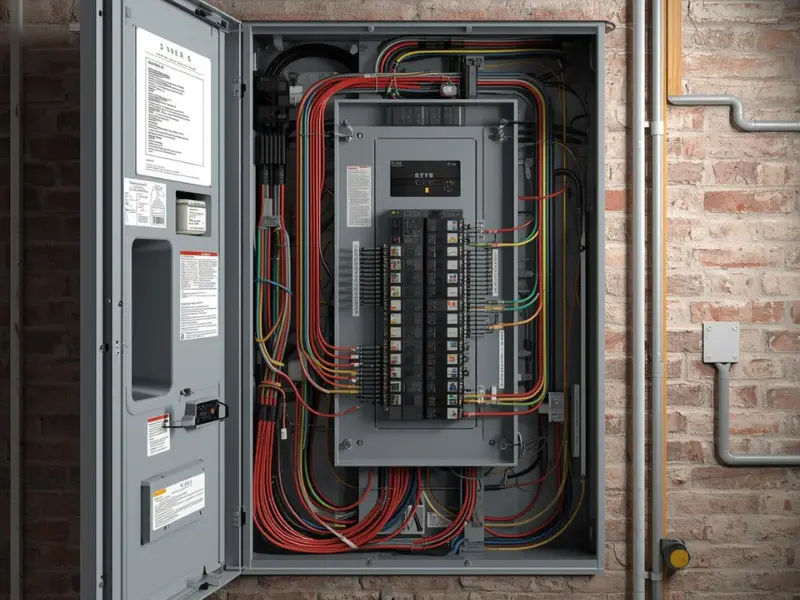
Adding a secondary distribution point to your home’s grid is a practical way to manage increased power demands for workshops or additions. To install electrical sub panel units correctly, you must mount the box, route a heavy-gauge feeder wire from the main breaker, and ensure the neutral and ground bars remain isolated. Always prioritize safety by turning off the main power and following local building codes to prevent hazards.
When Electrical Sub Panel Installation Makes Sense vs. Upgrading the Main Panel
Sub-panel installation makes sense if your main panel still has enough total amperage but lacks breaker space. It’s also ideal for additions or detached structures.
Upgrading the main panel is usually required when your service capacity is too small, such as an older 100-amp service powering modern high-load appliances. In short, a sub-panel adds distribution, while a main-panel upgrade adds capacity.
Planning Your Sub Panel Installation
Assessing Electrical Needs and Load Requirements
Start by listing all the equipment the sub-panel installation will serve. Add up their amperage to avoid overloading. This step is critical for safe and code-compliant sub-panel installation.
Choosing the Right Amperage
Most residential sub-panels fall into three categories:
-
60A for light loads
-
100A for garages or workshops
-
200A for large additions or detached buildings
Choosing the correct amperage prevents nuisance trips and overheating.
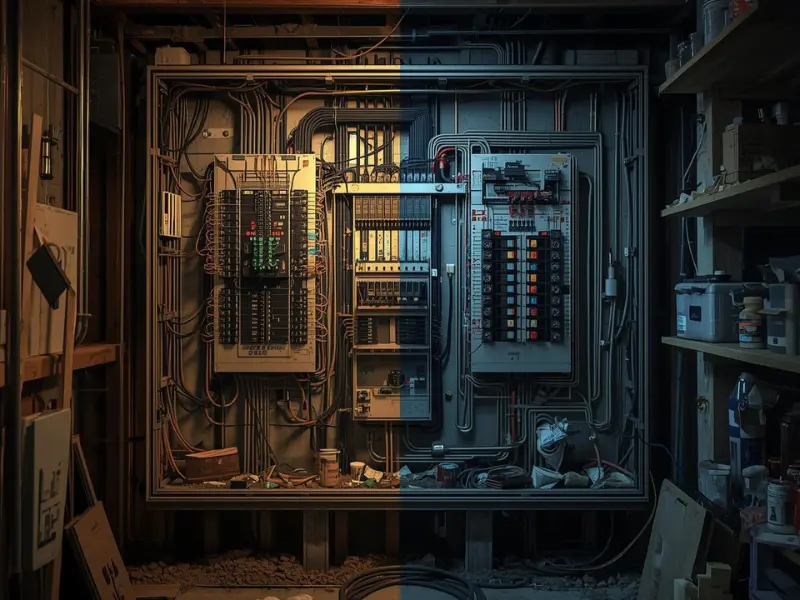
Space Requirements: The 36″ × 30″ × 78″ Rule
The electrical code requires clear working space in front of panels. Ignoring this rule is a common inspection failure.
Indoor vs. Outdoor Installations
Indoor panels are easier to protect from moisture. Outdoor sub panels must be weather-rated and properly sealed to prevent corrosion.
Materials and Tools Needed
Sub Panel Selection Guide
Reliable brands include Square D, Siemens, and Eaton. Choose panels designed specifically as sub-panels, not main service equipment.
Wire Sizing and Distance
Wire size depends on amperage and distance. Longer runs require larger conductors to prevent voltage drop, which is often overlooked during electrical subpanel installation.
Essential Tools and Safety Gear
Basic tools include insulated screwdrivers, a torque wrench, wire strippers, and a voltage tester. Safety gear should always include gloves, eye protection, and lock-out devices.
Sub Panel Installation Process
The panel should be securely mounted at an accessible height. Feeder cables are run from the main panel to the sub-panel using approved conduit or cable methods.
A critical safety rule in every sub-panel installation is separating neutral and ground bars. They must never be bonded together in a sub-panel.
Once breakers are installed and circuits connected, grounding must be completed correctly. Detached structures usually require grounding electrodes in addition to the feeder ground.
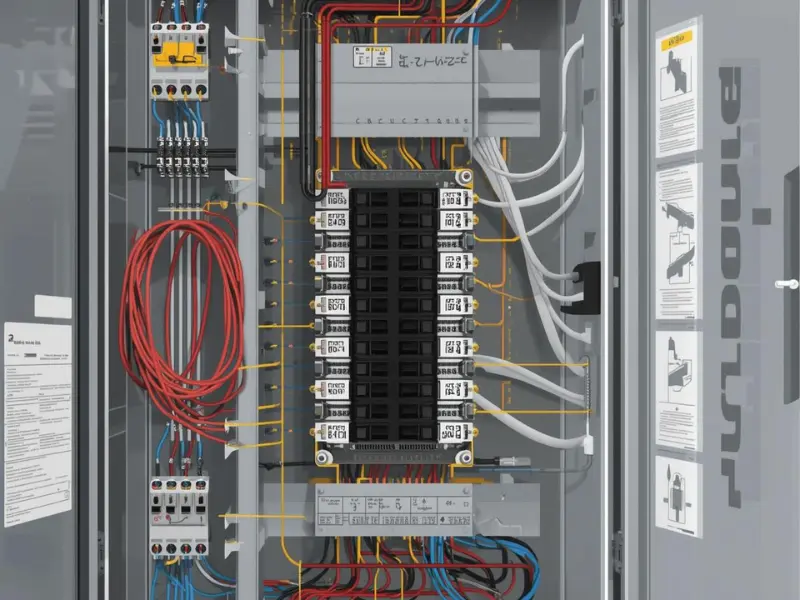
Defining What is an Electrical Sub Panel
An electrical sub panel acts as a satellite circuit hub that relocates power distribution from the main service entrance to a specific zone. Understanding what is an electrical sub panel helps homeowners realize it doesn’t provide more total amperage but rather organizes circuits more efficiently. By installing one in a garage or basement, you simplify the wiring process and provide a convenient point for local power shutoffs.
Code Compliance and Permits
Sub-panel installation must comply with National Electrical Code requirements. Permits are usually required, especially for new feeders or detached buildings.
Inspections verify grounding, wire sizing, breaker ratings, clearances, and labeling. Skipping permits can lead to fines and insurance issues.
Common Mistakes to Avoid
The most dangerous mistake is installing the bonding screw in a subpanel. This creates parallel return paths and serious shock risks.
Other common issues include undersized wires and ignoring voltage drop on long runs, both of which can damage equipment over time.
DIY vs. Professional Installation
Sub-panel installation can be DIY only if you fully understand electrical subpanel installation and safety procedures. Mistakes can cause fire, equipment failure, or injury.
Hiring a licensed electrician is the safest option for complex loads, long feeder runs, or detached structures. Professional installation also ensures inspections pass the first time.
Final Thoughts
Sub-panel installation is one of the most effective ways to expand electrical capacity safely and efficiently. With proper planning, correct materials, and strict code compliance, it adds long-term value and flexibility to your property. When in doubt, professional help is always the safer investment. Contact us today, discuss your electrical needs and get expert guidance before starting your project.
Join Our Community
Join our community on Facebook, and don’t forget to subscribe to us on YouTube for new content each week.
FAQs
1. What is a subpanel used for?
A subpanel distributes power to a specific area l,ike a garage or addition, when the main panel lacks breaker space.
2. Do sub panels require permits?
Yes, most sub-panel installations require permits and inspections to meet NEC safety and grounding standards.
3. Can neutrals and grounds be bonded in a subpanel?
No. Neutrals and grounds must remain separated to prevent shock hazards and current backfeeding.
4. What size subpanel do I need?
Common sizes are 60A, 100A, or 200A, depending on load requirements and future expansion needs.
5. Is sub-panel installation safe for DIY?
Only if you understand electrical codes and safety. Improper wiring can cause fire or electrocution.