Buying a home is a major investment, and one of the most important things to evaluate before moving in is the safety of the electrical system. Electrical problems can create serious risks for homeowners and their families, especially when wiring, outlets, switches, or electrical equipment are outdated or improperly installed. Understanding electrical shock prevention can help home buyers identify potential hazards and make informed decisions about electrical inspections and repairs.
Why Electrical Shock Prevention Matters
Electrical shock can happen when a person comes into contact with an energized electrical component. Even a small amount of electricity can cause injury, while more serious electrical faults can result in severe injury, fires, or property damage.
For home buyers, electrical shock prevention should be considered before purchasing a property. Electrical problems that are not immediately visible may exist behind walls, inside electrical panels, or around outlets and fixtures.
Professional inspections can identify potential hazards before they become serious problems.
Common Electrical Shock Hazards in Homes
Several conditions can increase the risk of electrical shock. Home buyers should understand these hazards when evaluating a property.
Damaged Electrical Outlets
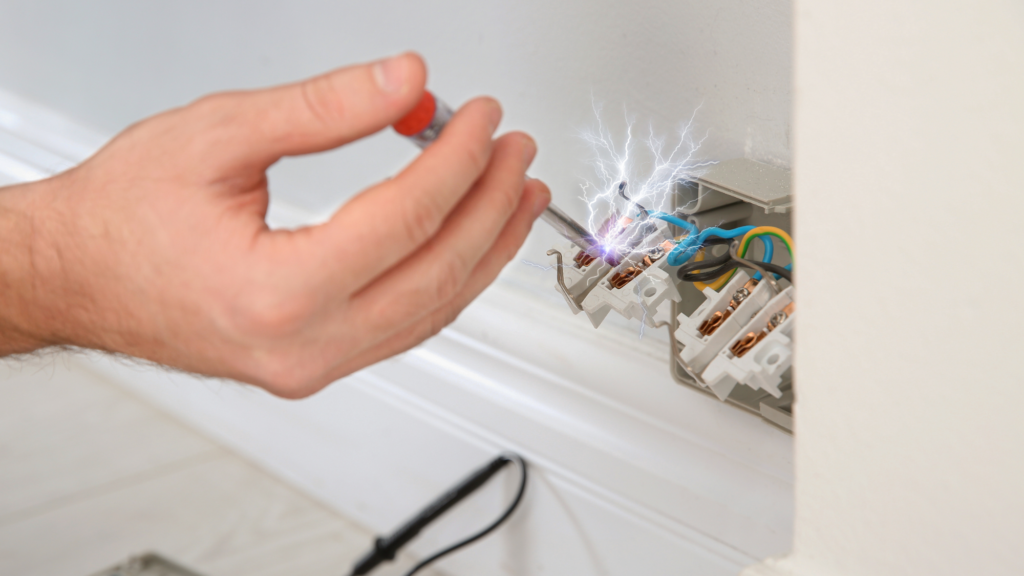
Cracked, loose, or discolored outlets may indicate an underlying electrical problem. Damaged outlets can expose electrical components or create loose connections.
Replacing damaged outlets is an important part of electrical shock prevention and can also improve the overall reliability of the electrical system.
Exposed Wiring
Exposed electrical wires are a significant safety concern. Damaged insulation, unfinished electrical work, or improperly secured cables can increase the possibility of accidental contact with energized conductors.
A licensed electrician should inspect and repair exposed wiring as part of a comprehensive electrical shock prevention strategy.
Missing Grounding
Proper grounding helps provide a safe path for electrical current during a fault. Older homes may have electrical systems that lack modern grounding in certain areas.
A professional electrician can evaluate the home’s grounding system and recommend improvements when necessary. Proper grounding is one of the fundamental components of electrical shock prevention.
The Importance of GFCI Protection
Ground Fault Circuit Interrupters, commonly called GFCI devices, are designed to quickly shut off electricity when they detect a difference in electrical current.
GFCI protection is especially important in areas where electricity may come into contact with water.
These areas commonly include:
- Bathrooms
- Kitchens
- Laundry rooms
- Garages
- Basements
- Outdoor locations
- Pool and spa areas
Properly installed GFCI protection is an essential part of electrical shock prevention in modern homes.
How GFCI Devices Protect Homeowners
A GFCI continuously monitors electrical current. If it detects an imbalance that could indicate current flowing through an unintended path, it can interrupt the circuit.
This rapid response helps reduce the risk of dangerous electrical shock.
Home buyers should check whether appropriate GFCI protection is installed in areas where it is required. If you’re unsure whether a home’s electrical system has adequate protection, a professional inspection can help.
Electrical Panels and Shock Hazards
The electrical panel distributes power throughout the home and contains components that can carry dangerous electrical currents.
Home buyers should never remove the panel cover or attempt to inspect energized components themselves.
Instead, a licensed electrician can check the panel for:
- Damaged breakers
- Loose connections
- Corrosion
- Overheating
- Improper wiring
- Incorrect breaker sizing
Professional panel inspections support electrical shock prevention while also helping identify other electrical safety concerns.
Outdated Electrical Systems
Older homes may have electrical systems that were designed for much lower electrical demands than today’s households require.
Modern homes commonly use electricity for:
- Computers
- Large televisions
- Kitchen appliances
- Heating and cooling equipment
- Electric vehicles
- Home entertainment systems
- Smart home devices
An outdated system may have insufficient grounding, deteriorated wiring, or limited circuit capacity. Evaluating these conditions is an important part of electrical shock prevention for home buyers.
Warning Signs Home Buyers Should Watch For
During a home tour or inspection, buyers should pay attention to electrical warning signs.
Potential concerns include:
- Outlets that feel warm
- Sparks when plugging in appliances
- Burning smells
- Buzzing sounds
- Flickering lights
- Frequently tripping breakers
- Discolored outlets or switches
- Loose electrical receptacles
- Extension cords used throughout the home
These warning signs should be evaluated by a qualified electrician. Prompt attention can improve electrical shock prevention and reduce the possibility of more serious electrical problems.
Electrical Safety Around Water
Water and electricity create a particularly dangerous combination. Home buyers should pay close attention to electrical equipment located near sinks, tubs, showers, pools, and outdoor water sources.
Proper electrical shock prevention in these areas may involve GFCI protection, appropriate equipment, proper grounding, and correctly installed weather-resistant components.
Pool and spa electrical systems require especially careful planning because multiple electrical components may be located near water.
Professional Electrical Inspections for Home Buyers
A standard home inspection can identify many visible electrical concerns, but a licensed electrician can provide a more detailed evaluation of the home’s electrical system.
A professional electrical inspection may examine:
- Electrical panels
- Circuit breakers
- Outlets
- Switches
- Wiring
- Grounding
- GFCI protection
- Outdoor electrical equipment
For buyers, scheduling an electrical evaluation before closing can be a valuable part of electrical shock prevention.
Preventing Electrical Shock After Moving In
Once you’ve purchased your home, there are several steps you can take to continue practicing electrical shock prevention.
Homeowners should:
- Replace damaged outlets and switches
- Keep electrical equipment away from water
- Test GFCI devices according to manufacturer instructions
- Avoid using damaged extension cords
- Never overload electrical outlets
- Keep electrical panels accessible
- Have electrical problems professionally repaired
These simple precautions can help create a safer home environment.
Avoid DIY Electrical Repairs
Electrical repairs should not be treated like ordinary household maintenance. Attempting to repair wiring, outlets, panels, or other electrical equipment without appropriate knowledge can create serious hazards.
Professional electricians have the training and equipment needed to safely diagnose electrical problems.
Hiring a qualified professional for electrical work is one of the most effective approaches to electrical shock prevention.
Planning Electrical Safety in a New Home
Home buyers purchasing new construction should also consider electrical safety during the building process.
Before closing, ask whether the home includes:
- Properly installed GFCI protection
- Adequate grounding
- Correctly sized electrical panels
- Properly installed outlets
- Code-compliant wiring
- Appropriate outdoor electrical protection
Planning for electrical shock prevention from the beginning can help ensure the home’s electrical system is prepared for years of safe use.
Why Choose Reliable Wire Electric?
Reliable Wire Electric provides professional electrical services for homeowners throughout Missouri. Our experienced electricians help identify electrical hazards, troubleshoot electrical problems, and provide safe solutions designed around each property’s needs.
Whether you’re purchasing an older home, building a new property, or simply want to improve electrical safety, professional service can make a significant difference.
Reliable Wire Electric can help homeowners with:
- Electrical inspections
- Outlet and switch repairs
- GFCI installation
- Electrical panel services
- Wiring repairs
- New construction electrical work
- General electrical safety evaluations
Our goal is to help homeowners maintain reliable electrical systems while supporting effective electrical shock prevention.
Final Thoughts
Electrical shock is a serious household hazard, but many risks can be reduced through proper installation, regular inspections, and responsible electrical use. For home buyers, understanding electrical shock prevention can help identify potential electrical problems before they become costly or dangerous.
Before purchasing a home, consider having the electrical system professionally evaluated, especially if the property is older or shows signs of electrical problems. Once you move in, continue practicing electrical shock prevention by addressing damaged equipment, maintaining GFCI protection, avoiding DIY electrical repairs, and scheduling professional service when problems occur.