When home buyers evaluate a property, the electrical panel is often overlooked. It is usually tucked away in a basement, garage, or utility room, quietly doing its job without drawing attention. However, this single system plays a major role in home safety, energy reliability, and long-term property value. Understanding the importance of Electrical Panel Maintenance helps buyers protect their investment and avoid unexpected electrical problems after closing.
At Reliable Wire Electric, we work closely with home buyers, sellers, and homeowners to ensure electrical systems are safe, compliant, and dependable. Many post-purchase electrical issues can be traced back to neglected panels. This guide explains why proper care matters, how often it should be performed, and what buyers should expect from a professional inspection focused on Electrical Panel Maintenance.
Why Electrical Panel Maintenance Matters for Home Buyers
The electrical panel is the control center of a home’s electrical system. It distributes power to every circuit, appliance, outlet, and lighting fixture throughout the property. When the panel is not properly maintained, issues such as loose connections, corrosion, or worn breakers can develop silently over time.
Routine Maintenance significantly reduces the risk of electrical fires, unexpected power failures, and damage to sensitive electronics. For home buyers, a well-maintained panel is more than just a technical detail—it is a sign that the home has been responsibly cared for and that fewer hidden problems are likely to emerge after move-in.
Understanding Electrical Panel Lifespan
Most residential electrical panels are designed to last between 25 and 40 years. However, age alone does not determine whether a panel is still safe or functional. Environmental factors, electrical demand, and maintenance history all influence how well a panel performs over time.
Homes that receive consistent Electrical Panel Maintenance often experience longer service life and safer operation. Panels exposed to moisture, temperature fluctuations, or heavy electrical loads may wear out faster if not properly serviced. Buyers should always check the manufacturing date of the panel and ask for any available service records during the inspection process.
How Often Should Electrical Panel Maintenance Be Performed
As a general guideline, electrical panels should be professionally inspected every three to five years. That said, certain conditions may require more frequent attention. Older homes, properties with modern high-demand appliances, and homes that have undergone electrical upgrades may benefit from more regular evaluations.
Scheduling Panel Maintenance at appropriate intervals helps identify developing issues before they escalate into major safety hazards. Buyers should ask sellers whether inspections or servicing have been performed recently and whether any electrical improvements have been made.
What Professional Panel Maintenance Includes
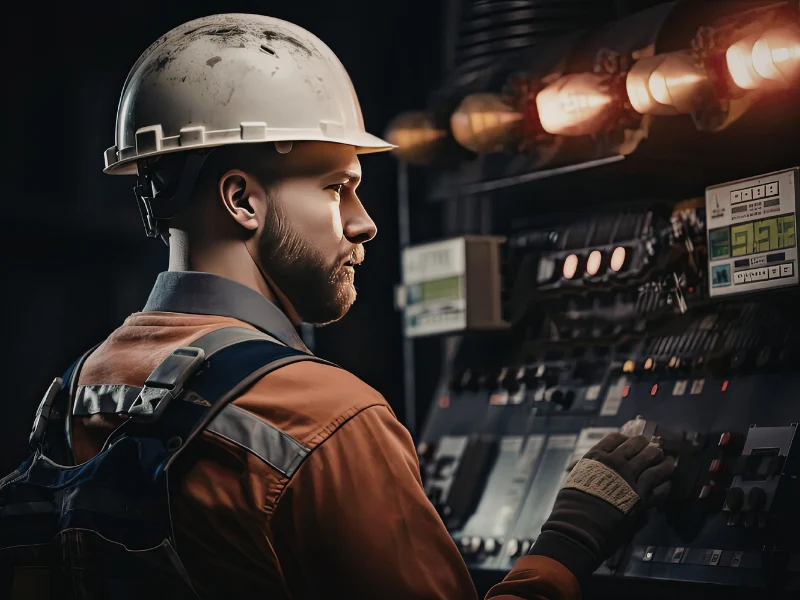
A professional service involves more than a quick glance inside the panel. Panel Maintenance typically includes a detailed inspection of breakers for signs of wear or damage, checking for corrosion or rust, tightening electrical connections, and testing breaker performance under load.
Electricians also inspect grounding and bonding systems, verify that circuit labeling is accurate, and ensure the panel meets current safety standards. These steps help prevent overheating, reduce fire risks, and ensure the system can safely handle the home’s electrical needs.
Electrical Panel Maintenance and Home Inspections
During a real estate transaction, home inspectors usually perform a visual assessment of the electrical panel. While this can identify obvious concerns, it does not replace a thorough evaluation by a licensed electrician. Inspectors typically do not remove breakers, test connections, or perform load analysis.
If an inspection report raises concerns, scheduling Panel Maintenance before closing can provide buyers with clarity and negotiating power. It also helps prevent surprises after ownership begins, when repair costs become the buyer’s responsibility.
Signs a Panel Needs Immediate Attention
Home buyers should be alert to warning signs that suggest an electrical panel may be unsafe or overdue for service. Common indicators include flickering or dimming lights, breakers that trip frequently, warm or hot panel surfaces, buzzing or crackling sounds, and visible burn marks or unusual odors.
Addressing these issues promptly through Panel Maintenance can prevent serious hazards such as electrical fires or widespread power failures. Ignoring these signs often leads to more extensive and expensive repairs down the line.
Electrical Considerations for Older Homes
Older homes often have electrical panels that were not designed to support modern electrical demands. Appliances, home offices, electric vehicle chargers, and smart home systems place significantly more strain on electrical systems than in previous decades.
In these properties, Electrical Panel Maintenance plays a crucial role in identifying outdated components and safety concerns. In some cases, maintenance may reveal the need for breaker replacements or a full panel upgrade to comply with modern codes and safety requirements.
Preventive Maintenance vs. Emergency Repairs
Preventive care is almost always more affordable and less stressful than emergency electrical repairs. Routine Electrical Panel Maintenance helps catch minor issues early, such as loose wires or aging breakers, before they cause outages or damage.
For home buyers, knowing that preventive care has been performed provides peace of mind and reduces the likelihood of unexpected expenses shortly after moving in. Emergency repairs, on the other hand, often occur at inconvenient times and come with higher costs.
Insurance and Electrical Safety
Insurance providers may request proof that a home’s electrical system meets safety standards, especially for older properties. A well-documented history of professional inspections and servicing can help avoid coverage delays or policy limitations.
While insurance requirements vary, homes with well-maintained electrical systems are generally viewed as lower risk. Buyers should confirm whether any electrical documentation is available during the purchasing process.
Supporting Modern Electrical Needs
Modern households rely on electricity more than ever. From remote work setups and entertainment systems to energy-efficient appliances and smart technology, today’s homes demand reliable electrical infrastructure.
Regular care ensures the electrical panel can safely support these needs without overloading circuits or compromising safety. A well-serviced panel is also better prepared for future upgrades, such as solar systems or electric vehicle charging stations.
DIY Care vs. Professional Service
Homeowners can take simple steps to support electrical safety, such as keeping the panel area clear, dry, and accessible. However, internal servicing should never be attempted without proper training.
Licensed electricians have the tools, experience, and knowledge required to safely evaluate and service high-voltage components. Professional inspections ensure compliance with electrical codes and reduce the risk of injury or property damage.
Creating a Long-Term Maintenance Plan
A long-term approach to electrical care benefits both buyers and homeowners. Reliable Wire Electric recommends an initial inspection at the time of purchase, followed by professional evaluations every three to five years. Additional inspections should be scheduled after major renovations or the installation of high-demand appliances.
This structured approach helps maintain consistent performance, safety, and reliability throughout the life of the home.
Why Professional Service Matters
Electrical panels are not a place for guesswork. Professional service ensures accurate problem identification, safe working conditions, reliable repairs, and code-compliant solutions. This level of care protects both occupants and property value.
Final Thoughts
Planning for Electrical Panel Maintenance is an essential part of responsible home buying and long-term homeownership. A well-maintained electrical panel supports safety, efficiency, and peace of mind while reducing the risk of costly surprises.
Whether you are evaluating a new property or preparing for ownership, working with a trusted electrical professional helps ensure your home’s power system remains safe, reliable, and ready for the future.
FAQs
1: Why should home buyers be concerned about the electrical panel?
It controls power, safety, and reliability. Problems can lead to fire risks, outages, or costly repairs after purchase.
2: Can a home inspection identify all electrical panel problems?
No. Inspectors do visual checks only. A licensed electrician is needed for detailed testing and servicing.
3: What are common warning signs of electrical panel issues?
Flickering lights, tripped breakers, buzzing sounds, hot panels, or burning smells signal possible problems.
4: Is electrical panel care more important for older homes?
Yes. Older panels may not handle modern power needs and often require closer evaluation for safety.
5: Can electrical panel issues affect homeowners’ insurance?
Yes. Electrical problems can lead to higher premiums, limited coverage, or insurance denial.