Electrical meter grounding is one of those behind-the-scenes details that quietly protects your home every single day. You may not see it, but it plays a big role in preventing shocks, fires, and equipment damage. When installed correctly, it also keeps your electrical system aligned with code and inspection standards.
In this guide, we’ll break things down in plain English. You’ll learn what an electrical meter is, why it matters, and how it fits into modern safety and code requirements.
What Is Electrical Meter Grounding and Why Does It Matter?
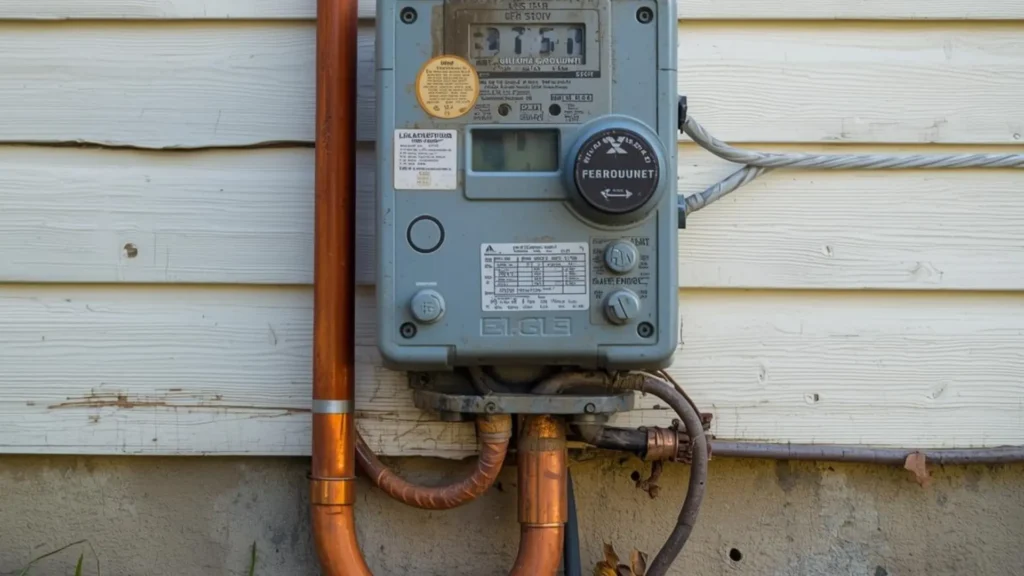
Electrical meter grounding is the process of connecting the electrical meter and service equipment to the earth using a grounding system. This creates a safe path for excess electricity to flow into the ground instead of through people or appliances.
Proper grounding improves safety and ensures code compliance. It helps control voltage during lightning strikes, power surges, and utility faults. Without it, even a small electrical issue can turn into a serious hazard.
Meter Base Grounding Requirements
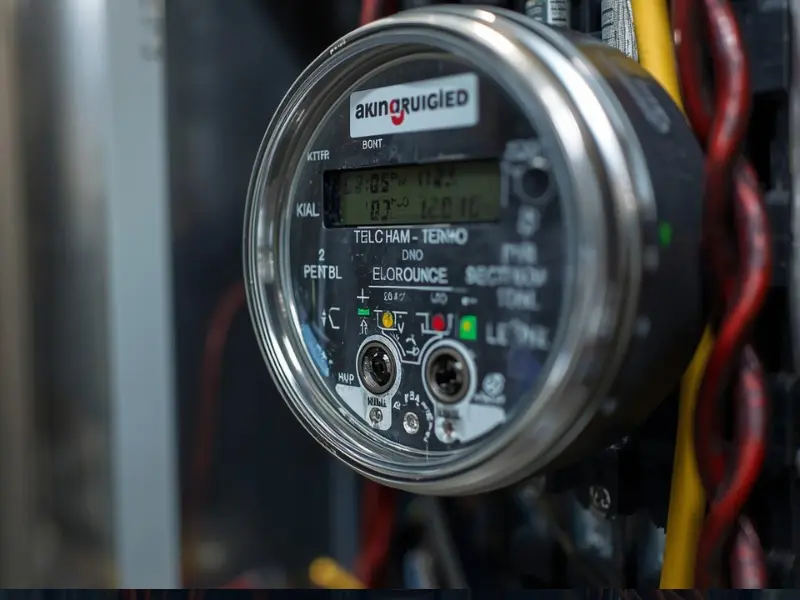
Understanding Electrical Meter Grounding Basics
Grounding vs. Bonding Explained
Grounding and bonding are related, but they are not the same. Grounding connects your electrical system to the earth. Bonding connects metal parts together so they stay at the same electrical potential.
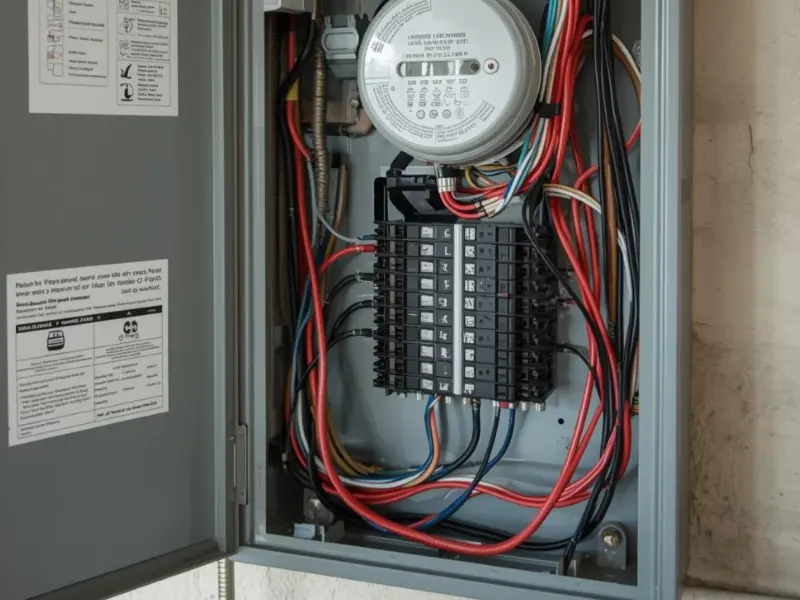
How Does a Ground Meter Box Work?
An electrical meter safely directs stray or fault current to ground. This reduces the risk of shock, protects wiring, and helps breakers trip correctly during a fault.
Lightning and Surge Protection
A proper grounding path helps manage lightning energy and voltage surges. It doesn’t stop lightning, but it gives dangerous energy a safer place to go.
NEC Code Requirements for Electrical Meter Grounding
The National Electrical Code (NEC) sets the national rules for grounding and bonding.
Article 250 Overview
NEC Article 250 outlines grounding and bonding requirements. It explains how grounding electrode systems must be installed and connected.
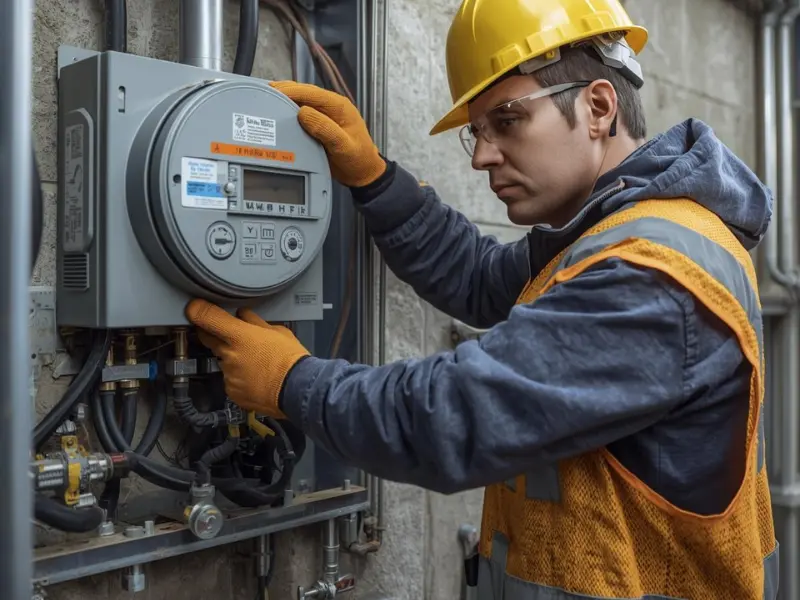
Grounding Electrode Conductor (GEC)
The grounding electrode conductor connects the meter or service equipment to ground rods or other electrodes. This conductor must be continuous and properly sized.
Two-Ground-Rod Rule
In most cases, at least two ground rods are required unless a single rod measures 25 ohms of resistance or less.
Wire Size Requirements
For typical residential systems, a #6 AWG copper conductor is commonly used for ground rods, unless local rules require otherwise.
Meter vs. Panel Grounding: Where Should It Connect?
Meter Base vs. Main Panel
Some systems ground at the meter base, while others ground at the main service panel. Both approaches can be correct depending on the installation.
Utility and Local Variations
Local utility companies may have specific rules for where grounding connections must be made. These rules can vary by location.
Why Both Can Be Code-Compliant
As long as the grounding electrode system meets NEC requirements and local rules, grounding at either location can be acceptable.
Common Installation Mistakes to Avoid
Incorrect Ground Rod Spacing
Ground rods must be spaced at least six feet apart. Closer spacing reduces effectiveness.
Parallel Neutral Paths
Improper bonding can create parallel paths for neutral current, leading to shock risks and equipment issues.
Mixing Neutral and Ground
Neutral and ground wires serve different purposes. Confusing them can cause dangerous conditions and inspection failures.
When to Call a Professional
Working on electrical meter grounding involves live equipment and strict code rules. DIY mistakes can be dangerous and costly.
Licensed electricians understand local codes, utility requirements, and inspection standards. Many areas also require permits and inspections for grounding work.
Final Thought
Electrical meter grounding is not optional. It’s a core safety system that protects people, property, and equipment. From proper grounding electrode conductors to correct rod spacing, every detail matters.
If you’re unsure about your grounding setup or planning an upgrade, it’s best to speak with a licensed electrician. A professional can inspect your system, confirm code compliance, and correct hidden issues before they become safety risks. Contact us today to schedule an evaluation or discuss your electrical grounding needs. Solid grounding today prevents serious problems tomorrow.
Join Our Community
Join our community on Facebook, and don’t forget to subscribe to us on YouTube for new content each week.
FAQs
1. How to ground a meter box?
2. Is meter grounding required by code?
Yes. NEC Article 250 requires proper grounding to protect people, equipment, and structures from electrical faults.
3. How many ground rods are required for meter grounding?
Typically, two ground rods are required unless a single rod tests below 25 ohms of resistance.
4. Canthe meter grounding connect at the panel?
Yes. Grounding can connect at the meter base or main panel, depending on local utility and inspection rules.
5. Should the electrical meter be DIY?
It’s safer to hire a professional. Incorrect grounding can create shock hazards and fail inspections.