At Reliable Wire Electric, we work with home buyers across the region to provide expert electrical evaluations. In this guide, we’ll break down what you need to know about new electrical panel replacement services, including average costs, warning signs, and long-term savings.
What Is A Circuit Breaker Panel?
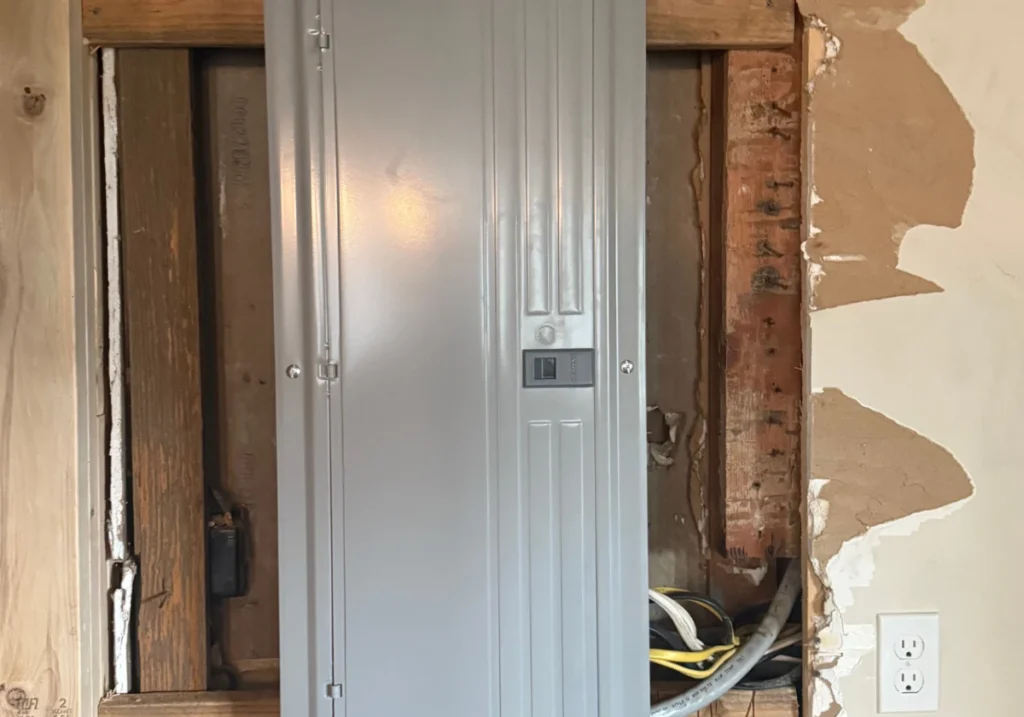
A circuit breaker panel, also called a service panel, is the hub that distributes electricity throughout your home. It receives power from the utility line and divides it into circuits that supply outlets, lights, appliances, and more. Breakers within the panel trip when circuits are overloaded, preventing fire hazards.
Older panels may not meet the needs of modern homes filled with electronics, HVAC systems, and kitchen appliances. This is why many buyers encounter the need for circuit breaker panel replacement when purchasing older homes. Why Circuit Breaker Panel Is Important
Replacing an outdated or damaged panel isn’t just about convenience, it’s about safety and efficiency. Benefits include:
- Protecting against electrical fires
- Supporting modern appliances and devices
- Reducing power outages from tripped breakers
- Meeting updated electrical codes for home sales
- Adding value to your property
For home buyers, knowing whether a panel needs replacement helps in negotiations and budgeting.
How Much Does it Cost for a Electrical Panel Replacement Cost
| Cost Factor | Range | Details |
|---|---|---|
| 100-amp Panel | $1,200 – $1,800 | Suitable for smaller homes and basic electrical needs. |
| 150-amp Panel | $1,800 – $2,500 | Common for medium-sized homes with additional electrical demands. |
| 200-amp Panel | $2,500 – $3,500 | Ideal for larger homes and modern lifestyles. |
| Wiring Upgrades | $500 – $2,000 | Required if existing wiring is outdated. |
| Permits & Inspections | $100 – $300 | Cost depends on local regulations. |
| Labor Costs | $500 – $1,500 | Varies depending on project complexity. |
Cost to Replace Electrical Panel
The typical cost to replace an electrical panel ranges from $1,200 to $4,500. Prices vary based on amperage (100 to 400 amps), local labor rates, and whether you require a simple upgrade or a full service entrance replacement. Expect higher costs if moving the panel or bringing old wiring up to code.
Cost to Replace Electrical Panel for Your Home
The standard cost to replace an electrical panel for your home is roughly $1,300 to $4,500. Most homeowners pay about $2,500 for a 200-amp upgrade. This includes the hardware, professional labor, and required permits. Prices scale with higher amperage (e.g., 400-amp service) or if substantial rewiring is necessary.
Factors That Influence Cost
Several variables affect the price of circuit breaker panel replacement. The panel size and amperage play a major role, as larger panels cost more but can handle higher electrical demand. The age of the home also matters because older properties may require rewiring or service line upgrades.
The location of the panel can influence labor costs, especially if it’s difficult to access. Local code requirements may also add costs, as some municipalities require extra safety measures. Finally, upgrades during replacement, such as adding surge protection or subpanels, increase costs but provide improved safety and performance. Understanding these factors helps home buyers plan ahead during the purchase process.
Signs A Circuit Breaker Panel Needs Replacement
When evaluating a home, there are several warning signs that may indicate the need for a new electrical panel. Frequent breaker trips, a burning smell near the panel, flickering or dimming lights, and a warm or hot panel surface are all red flags. Visible rust, corrosion, or water damage also signal potential problems.
Additionally, panels older than 25–30 years may no longer meet current safety standards. If you see any of these issues during a home tour, it’s important to request a professional inspection before finalizing the purchase.
1. Frequent Breaker Trips:
If circuit breakers trip frequently and cannot be reset, it indicates a potential issue with the panel, such as overloading or faulty wiring.
2. Burning Smell or Scorch Marks:
A burning smell or visible scorch marks near the panel or breakers is a serious warning sign of overheating, which can lead to electrical fires.
3. Old or Outdated Panel:
Panels older than 25–30 years, especially those made by unreliable brands (e.g., Federal Pacific or Zinsco), may no longer meet safety standards and should be replaced.
4. Flickering or Dimming Lights:
If lights flicker or dim when large appliances are used, it could signal that the panel is unable to handle the electrical load, requiring a replacement.
5. Signs of Water Damage, Rust, or Corrosion:
Visible rust, corrosion, or water damage on the panel is an indicator of potential electrical hazards and signals the need for panel replacement.
Replacement Process
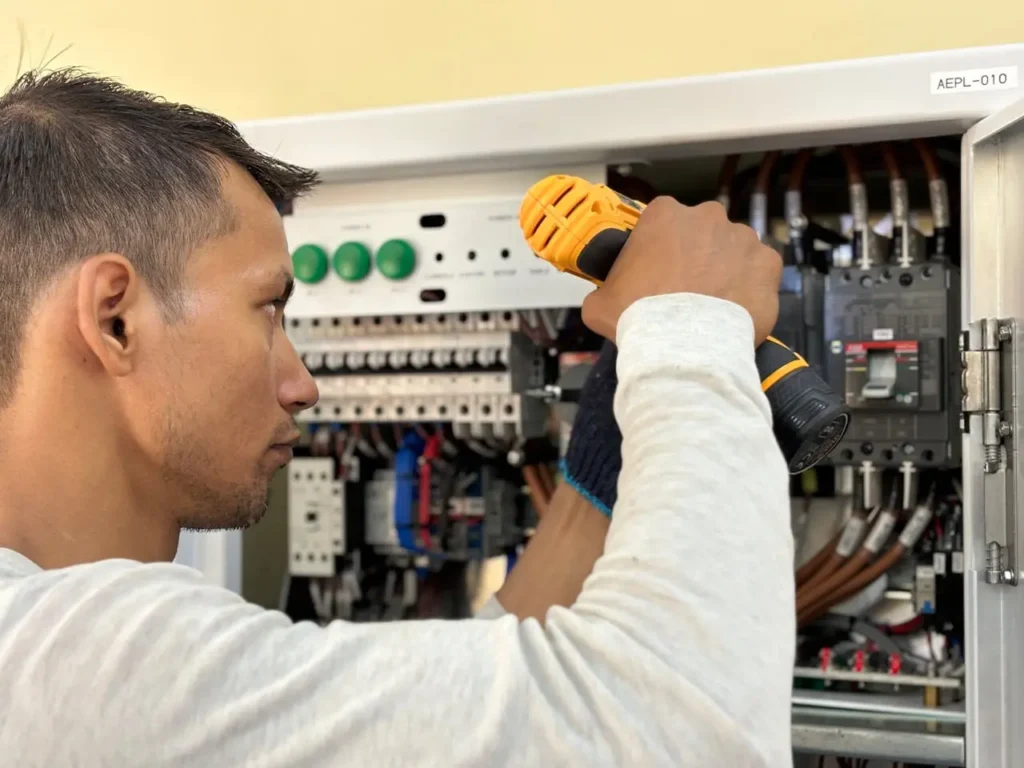
At Reliable Wire Electric, the replace electrical panel cost and replacement process is straightforward and efficient. It begins with an inspection and consultation, during which electricians assess the existing system and recommend the appropriate panel size. The next step involves securing permits and scheduling the work, including coordination with local inspectors.
Once approved, the old panel is safely disconnected and removed. A new, modern panel is then installed with updated breakers, followed by thorough testing and inspection to ensure safety and compliance. The process concludes with a final walkthrough where the work is reviewed with the homeowner, and documentation is provided. This entire process typically takes one day, minimizing disruptions for new home buyers moving in.
Long-Term Benefits Of Circuit Breaker Panel
Though panel replacement involves upfront costs, the long-term benefits are substantial. It enhances safety by reducing the risk of electrical fires, improves functionality by preventing frequent breaker trips, and boosts energy efficiency through better power distribution. Additionally, upgrading to a modern panel can increase home value, as buyers often prefer homes with updated electrical systems. Above all, homeowners gain peace of mind knowing their electrical system meets today’s safety and performance standards.
Budgeting Tips For Home Buyers
Home buyers considering a property that may need a panel replacement should plan their budgets carefully. Requesting an electrical inspection before closing can help identify potential issues early. Use the estimated replacement cost as a negotiation point with sellers, and ask your electrician about phased upgrades if the wiring is outdated.
It’s also worth exploring local incentives or rebates available for electrical system upgrades. By preparing in advance, buyers can turn what might seem like a large expense into a manageable and strategic part of the home purchase process.
Cost of New Electrical Panel and Wiring
Final Thoughts
For home buyers, understanding the cost and process of breaker box replacement is essential. This upgrade not only ensures safety but also enhances property value and long-term reliability. With average costs ranging from $1,200 to $3,500 depending on size and scope, planning for replacement during the buying process can save time, money, and stress later.
Reliable Wire Electric is here to guide home buyers through every step, from inspection to installation. Don’t Risk Hidden Electrical Issues. Book a Professional Evaluation Now! With the right approach, you can move into your new home confident that your electrical system is ready for the future.